Wolf Spider vs Tarantula: Key Identification Differences
Wolf spiders and tarantulas are frequently confused due to their similar brown coloring and robust appearance, yet these spiders belong to entirely different families with distinct characteristics. Wolf spiders are agile hunters found commonly in gardens and homes, while tarantulas are much larger, slower-moving spiders typically found in warmer climates. Understanding the key differences helps with accurate identification and appropriate responses when encountering these impressive arachnids in various settings.
Size and Physical Characteristics
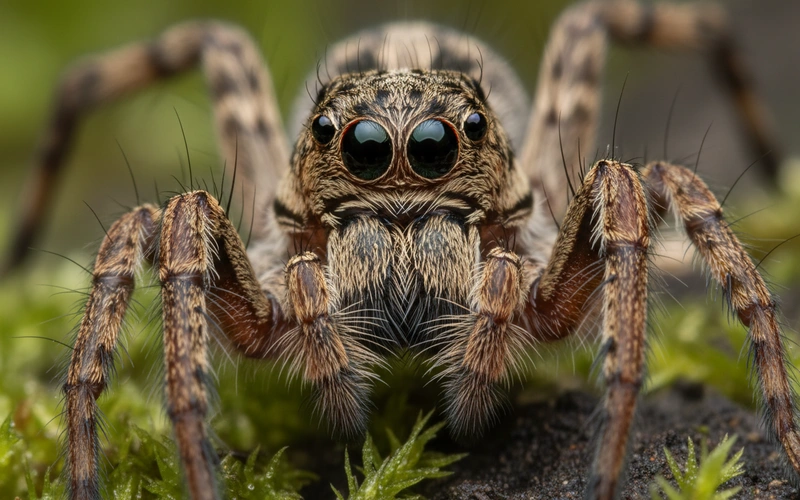
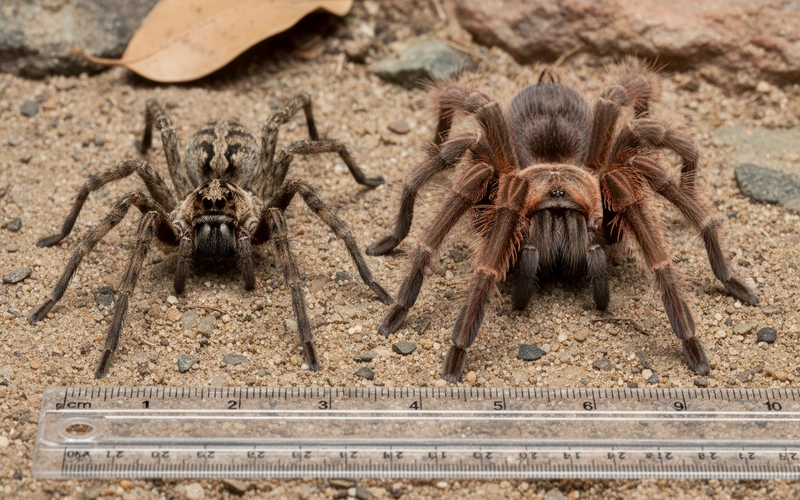
The most obvious difference between wolf spiders and tarantulas is size. Wolf spiders typically measure 10 to 35 millimeters in body length, while even small tarantula species exceed 50 millimeters, with some reaching over 100 millimeters. Tarantulas display dense hair coverage across their entire body, giving them a fuzzy appearance. Wolf spiders have shorter, less conspicuous hair and more streamlined bodies adapted for speed.
| Feature | Wolf Spider | Tarantula |
|---|---|---|
| Body Length | 10-35mm | 50-100mm+ |
| Hair Coverage | Sparse, short hairs | Dense, long hairs |
| Eye Arrangement | Three rows (4-2-2) | Two rows (4-4) |
| Leg Span | Up to 100mm | Up to 300mm |
| Movement Speed | Very fast, agile | Slow, deliberate |
Behavior and Habitat Differences
Wolf spiders are active hunters that chase down prey with impressive speed. They do not build webs for hunting, instead relying on excellent vision and quick reflexes. Many species dig burrows or shelter under rocks and logs. Tarantulas are primarily ambush predators that wait near their burrows for prey to pass. They move slowly and deliberately, relying on sensing vibrations rather than vision.
- Wolf spiders carry egg sacs attached to their spinnerets and later transport dozens of spiderlings on their backs after hatching
- Tarantulas lay eggs in silk cocoons within their burrows and guard them until hatching without carrying offspring
- Wolf spiders adapt readily to human environments including basements, garages, and gardens throughout temperate zones
- Tarantulas require warmer climates and are restricted to specific regions including southwestern United States deserts
- Wolf spider bites cause minor local reactions while tarantula bites are more painful but rarely medically significant
"Despite their intimidating appearance, both wolf spiders and tarantulas are generally docile toward humans. Wolf spiders flee rapidly when disturbed, while tarantulas rely on defensive posturing and urticating hairs rather than biting." - James Crawford, Field Research Coordinator
Identification in the Field
When identifying these spiders in natural settings, observe eye arrangement as the most reliable distinguishing feature. Wolf spiders have three rows of eyes with a distinctive arrangement that provides excellent forward vision for hunting. Tarantulas have two rows of eight eyes positioned close together on a raised tubercle. Location also provides clues, as wolf spiders appear in diverse habitats across North America while tarantulas are geographically restricted to warmer southern and western regions. Movement patterns offer immediate identification, with wolf spiders darting quickly while tarantulas move deliberately and methodically across surfaces.