
How a Spider Bite Feels An Understanding of Gaming Psychology and Sensation Risk
Recognizing that most individuals confuse regular bug bites for spider encounters is the first step towards understanding what a spider bite feels like. Depending on the spider species, the initial feeling varies greatly; some bites cause intense agony right once, while others go hours without anybody noticing. Understanding these feelings and visual cues makes it easier to differentiate between actual spider bites and other skin reactions. This ability is similar to how we evaluate risk in a variety of contexts, such as outdoor activities and entertainment selections.
How Do Spider Bite Visual Signs and Early Identification Appear
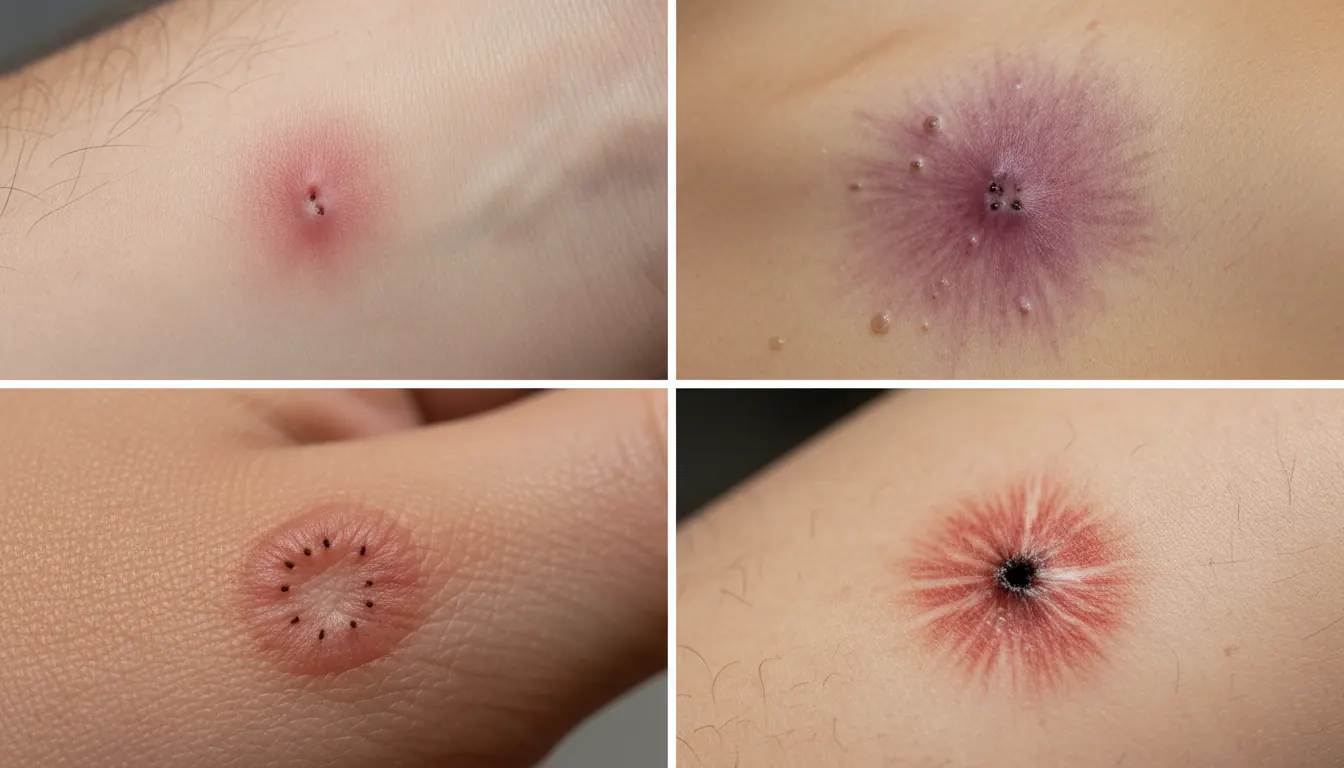
Examining the bite site for distinctive features that set it apart from other insect bites is the first step in identifying a spider bite. Although certain species leave more noticeable scars, the majority of spider bites manifest as tiny, red pimple-like blemishes. Black widow bites frequently display two separate puncture scars spaced one to two millimeters apart, whereas the brown recluse forms a bulls-eye pattern with a pale center around by reddening skin.
Typical Visual Features of Spider Bites
The species involved and each person's immune system have a major role in how a spider bite looks. The normal reaction to a harmless house spider bite is a little red dot that goes away in a few hours. Central blistering, widespread swelling that extends outside the bite site, and coloring that changes from red to purple or blue-black are all signs of more serious medical bites. Venomous spider bites frequently cause the skin to become stiff to the touch, and in extreme situations, necrotic tissue may develop in the middle, resulting in an ulcerated sore that needs medical care.
Distinguishing Spider Bites from Other Skin Disorders
Many skin disorders can be mistaken for spider bites, which frequently results in incorrect diagnoses. Similar circular lesions with center blistering are produced by shingles, allergic responses, and bacterial infections such as MRSA. True spider bite pictures display unique patterns: the wound usually looks solitary rather than in groups, progresses gradually over several days rather than abruptly, and keeps the same features over time. Medical experts stress that it is still difficult to make a clear identification without actually seeing the spider bite.
Comparing the Sensations and Perceived Risk of Spider and Mosquito Bites
The instant feeling and subsequent development of a spider bite are very different from those of a mosquito bite. Spider bites frequently start off quietly, either without pain or with a little stinging sensation akin to a pinprick, but mosquito bites are instantly noticeable by itching and a swollen welt. People sometimes find spider bites hours after the incident, noting an inexplicable mark that wasn't there earlier in the day, due to this delayed detection.
Feature of Initial Sensation Comparison
| Feature | Spider Bite | Mosquito Bite | Risk Level |
|---|---|---|---|
| Instant Pain | No pain, a slight sting, or a strong one | Very little pinching feeling | Variable vs. Low |
| Itching Onset | 2-8 hours behind schedule | Right away till half an hour | Species vs. the Minimal |
| Swelling Pattern | Gradual, expanding | Quick, localized | Progressive vs. Stable |
| Duration | Days to weeks | Hours to three days | Brief vs. Extended |
People's reactions to these bites are fascinatingly influenced by the psychological component of risk perception. When someone notices a questionable mark, they instantly look up spider bite pictures online, frequently persuading themselves that they have come upon a harmful species. This increased awareness is similar to how people behave in other risk-assessment situations. Before placing bets, for example, gamers at Spinogrino Casino assess chances and possible outcomes, balancing entertainment value against financial risk. This methodical decision-making process is comparable to deciding if a bite requires medical attention or just home remedies.
The Severity and Progression of Pain
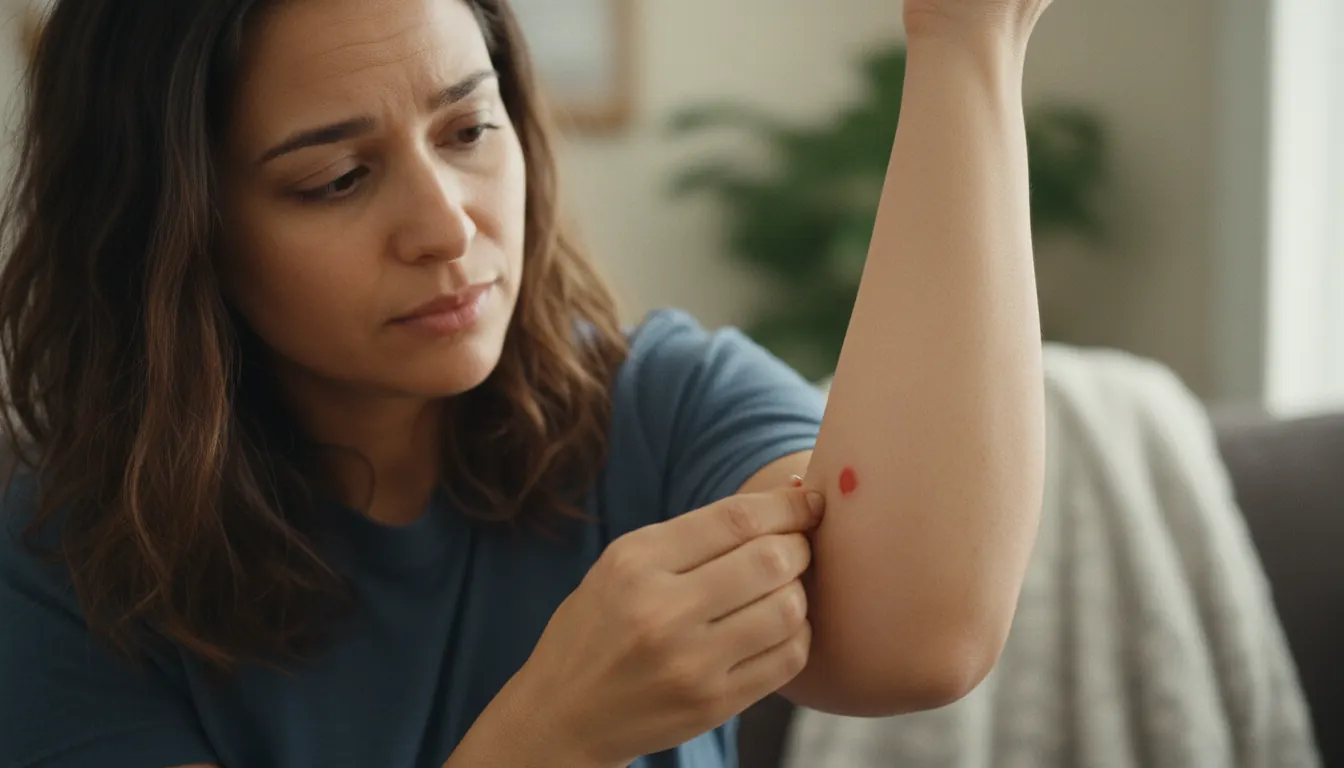
Over time, the feeling of a spider bite changes significantly. Non-venomous species cause bites that at first resemble bee stings but eventually turn into a dull ache in a matter of hours. The course of venomous spider bites is more concerning: a brown recluse bite may seem minor at first, but it can worsen over the course of six to twelve hours, leading to excruciating pain, fever, and cramping in the muscles. Victims describe waves of acute, gripping agony that come and go sporadically as a result of the characteristic muscular stiffness and cramping caused by black widow venom, which travels from the bite site throughout the afflicted limb.
"Most suspected spider bites that are encountered in emergency departments end up being something else completely. We're basically making informed estimates based on symptom patterns and local spider populations without actually catching the spider for identification." - Dr. Rebecca Martinez, Emergency Medicine Physician
Spider Bite Stages Illustrates How Symptoms Change Over Time
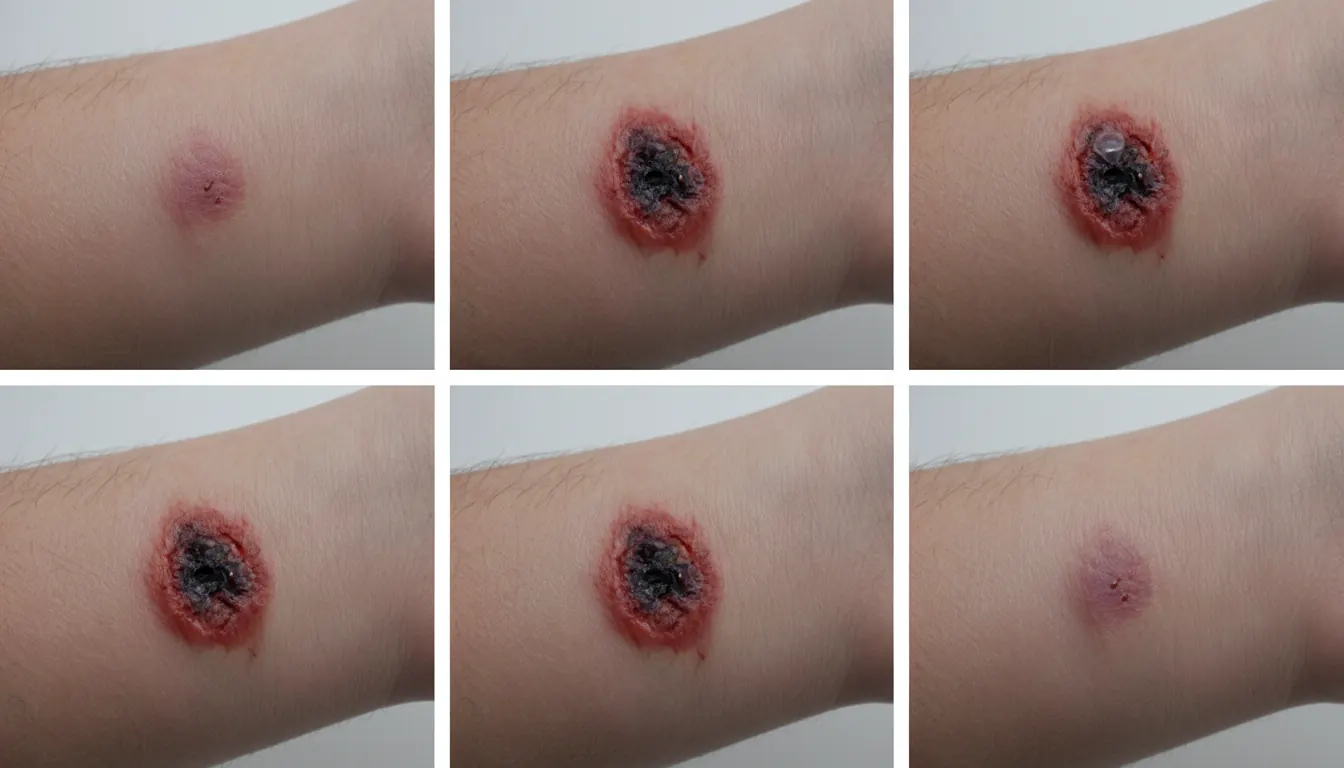
Visual documenting of spider bite phases offers important information into the difference between harmful development and typical healing. Because poisonous bites gradually show their severity, creating a false sense of security before issues arise, timing is crucial.
Initial 24 Hours First Presentation
The actual bite marks the start of the first stage, but many victims completely miss it. The site becomes somewhat red and may have a little raised bump within minutes to hours. Here, non-venomous bites reach a plateau with little variation during the next day. However, venomous spider bites start to evolve in a worrying way: the region surrounding the puncture wounds becomes warmer to the touch, and a light halo appears around the inflamed core, which is especially noticeable in bites from brown recluse spiders. This bulls-eye look in spider bite photos is a serious warning indication that needs to be evaluated by a doctor.
Days 2-7 Symptom Progression and Peak
The distinction between benign and harmful bites becomes clear during this critical time. Benign spider bites gradually go away, with the discolouration and swelling going down. The severity of venomous bites increases significantly; brown recluse wounds may develop core blistering that bursts, leaving behind a necrotic ulcer that may spread to a diameter of several inches. Damage to blood vessels causes the surrounding skin to look mottled blue-purple. Severe stomach cramps, excessive perspiration, high blood pressure, and even breathing difficulties are the most common systemic symptoms experienced by black widow bite patients during this period.
Week 2 and Beyond Problems or Solutions
- Small spider bites: usually heal completely in 7-10 days with little scarring, leaving only a faint discoloration that goes away over the next few weeks.
- Moderate responses: A stiff nodule that remains beneath the skin for a few weeks, gradually shrinks, and may cause months-long hyperpigmentation at the location
- Brown recluse necrosis: Deep tissue damage that takes weeks to months to cure, sometimes needing surgical debridement or wound care, and frequently leaving permanent scars
- Systemic effects: include lethargy and weakness that lasts for two to three weeks after the bite, the possibility of a secondary infection that needs antibiotics, and in rare instances, renal problems.
- Reactions to allergies: Anaphylaxis may occur after repeated exposures, and generalized hives or swelling outside the bite site may necessitate continued antihistamine therapy.
- Psychological effects: include heightened fear of spiders, hypersensitivity to fresh skin lesions, and in extreme situations, chronic arachnophobia.

From Spider-Bite Reactions to Casino Gaming Choices Risk Perception in Daily Life
Humans have a persistent problem with proper risk assessment, a cognitive oddity that shows up in a variety of contexts, from assessing the risk of a spider bite to choosing entertainment wisely. A phenomenon known as availability bias, in which strong mental imagery of terrifying spider bite pictures misrepresent true likelihood, has been shown to cause people to substantially overestimate uncommon but dramatic hazards while underestimating frequent threats.
The Psychology of Threat Evaluation
Our brains have evolved to give priority to hazards that are obvious and urgent above those that are statistically unlikely. When someone sees pictures of a spider bite with significant necrosis, their feelings take precedence over rational consideration of how seldom such results are. Numerous daily decisions are influenced by the same psychological mechanism. Think about how people play at casinos: those who have played at spinogrino casino know that taking measured risks within certain parameters is what provides entertainment value. Knowledgeable players maintain the perspective that severe spider bites and catastrophic gambling losses share significant characteristics—both are possible but unlikely with appropriate precautions and responsible behavior—and understand that sporadic wins and losses represent expected variance rather than threats.
Making Knowledgeable Choices in All Risk Domains
- Gathering trustworthy information: Before playing, check out the casino's payout rates and game restrictions, and consult medical sources for spider identification rather than sensationalized spider bite pictures.
- Comprehending probability: Despite their terrifying appearance, most spiders are harmless. Recognize that house edge exists but does not stop individual winning periods.
- Establishing suitable limits: Instead of waiting for a catastrophe, get medical attention for bites exhibiting warning signals, and set gaming budgets to keep amusement reasonably priced.
- Preventing panic reactions: Avoid chasing losses or placing rash bets following victories, and don't assume that every bite is a brown recluse based on a single symptom.
- Acquiring knowledge through experience: Track your own responses to bites over time to create a baseline, and keep an eye on your gaming habits to find pleasurable boundaries.
- Embracing ambiguity: Recognize that identifying a bite without seeing the spider is still inaccurate, and that the results of individual games are always unexpected.

"The intriguing contradiction of human risk perception is that we ignore everyday threats while fearing spectacular but improbable disasters. Overcoming deeply rooted cognitive biases is necessary to teach people to evaluate risks logically, whether they are deciding between entertaining activities or assessing a suspicious bite." - Professor James Chen, Behavioral Psychology
Using Risk Frameworks in Practice
In order to convert risk awareness into a workable plan, methodical thought is needed instead of an emotional response. Ask specific questions while investigating a suspected spider bite, such as if the site corresponds with a spider's usual hiding place. Did symptoms start up slowly or all at once? Do you have any concomitant systemic symptoms, such as fever or excruciating pain? This methodical approach avoids needless fear as well as the risky rejection of real dangers. Recreational activities follow the same framework: responsible players at Spinogrino Casino evaluate their amusement budget, comprehend game mechanics, and know when to back off. Both situations need striking a balance between enjoyment and care, avoiding paralysis by extreme fear while remaining cognizant of real threats. The fundamental ideas of responsible gaming and spider bite detection are similar: knowledge lessens illogical anxiety, readiness allows for the right reaction, and keeping perspective keeps small worries from growing into bigger ones.

In Conclusion
Recognizing subtle sensations, following visual evolution through many phases, and differentiating these wounds from comparable situations are all necessary to comprehend the feelings of a spider bite. Despite the stunning spider bite pictures that go viral online, the majority of spider bites result in little harm, demonstrating how human psychology frequently miscalculates true risk. Applying rational risk assessment necessitates striking a balance between educated awareness and proper perspective, so that reactions correspond with actual risks rather than imagined anxieties, whether assessing a suspicious bite or embracing amusement like casino gambling.
Frequently Asked Questions
What does a spider bite feel like initially?
Most spider bites feel like a mild pinprick or slight sting, though some go completely unnoticed. Non-venomous spider bites typically cause minimal sensation initially, while venomous species like the brown recluse may start with little pain but intensify over 6-12 hours into severe pain with muscle cramps and fever.
How can you tell the difference between a spider bite and a mosquito bite?
Spider bites typically appear as isolated marks that develop gradually over days, while mosquito bites cause immediate itching and raised welts that resolve within hours to 3 days. Spider bites often have delayed symptoms appearing 2-8 hours later, whereas mosquito bites itch almost immediately.
What are the visual signs of a dangerous spider bite?
Dangerous spider bites show distinctive patterns: brown recluse bites create a bulls-eye appearance with a pale center surrounded by reddening skin, while black widow bites display two puncture marks 1-2mm apart. Warning signs include central blistering, expanding swelling beyond the bite area, and skin that becomes firm to touch or develops blue-purple discoloration.
How long does it take for spider bite symptoms to develop?
Spider bite symptoms progress through distinct stages. In the first 24 hours, minor redness and swelling appear. Days 2-7 show the difference between harmless and venomous bites—benign bites fade while venomous bites worsen with central blistering and necrotic tissue formation. Complete healing takes 7-10 days for minor bites but can require weeks to months for venomous species.
When should you seek medical attention for a spider bite?
Seek immediate medical care if you experience severe pain that intensifies over hours, develop a bulls-eye pattern around the bite, notice expanding necrotic tissue or central blistering, experience systemic symptoms like fever, muscle cramps, difficulty breathing, or if the bite site shows rapid spreading inflammation beyond the immediate area.