From nature myths to casino symbols, venomous spiders can be found in pop culture
People have been fascinated by poisonous spiders for thousands of years, and they show up in myth, faith, and entertainment. These eight-legged monsters are strong figures in many cultures, making people both scared and interested in them. From old stories about how the world was made to modern slot machines, spiders have always stood for danger, creativity, and mystery. Their big role in pop culture shows how complicated our connection is with some of nature's most misunderstood killers. By studying this culture development, we can see how people turn natural events into lasting symbols that are meaningful to future generations.
What does popular culture mean, and why do nature symbols matter?
Popular culture is made up of the ideas, behaviors, and things that most people in society agree on at any given time. It includes things like entertainment, media, dress, and a shared symbolic language that shapes how people think and feel. Nature images are unique in this context because they connect with basic human feelings that are shared across cultures.
The Language of Natural Images for Everyone
Animals and nature events give people from different languages and cultures a visual language they can use right away. Due to their unique look and behavior, spiders make very good icons because everyone knows what they mean. Because spiders live in communities all over the world, almost every culture has ideas and stories about them. Because they are so general, they are great for using in business and artistic ways, from company logos to video game graphics. The spider's shape—it's geometric, symmetrical, and alien—has a strong visual effect that artists and marketers use all the time.
Why people are interested in scary animals
Because of how evolution works, animals that are poisonous get people's attention. People became more aware of possible dangers as a way to stay alive, and this adaptation has led to cultural interest. When you see a spider, you automatically react in ways that make them unique and intense. Spider images are used in the entertainment industry to create a sense of danger, excitement, and the thrill of taking a chance. These symbols are used on gaming platforms, even well-known ones like manekispin casino, to create an atmosphere and get players to subconsciously think of measured risk and possible profit.
Spider Myths and Earth Myths How dangerous spiders became symbols of culture
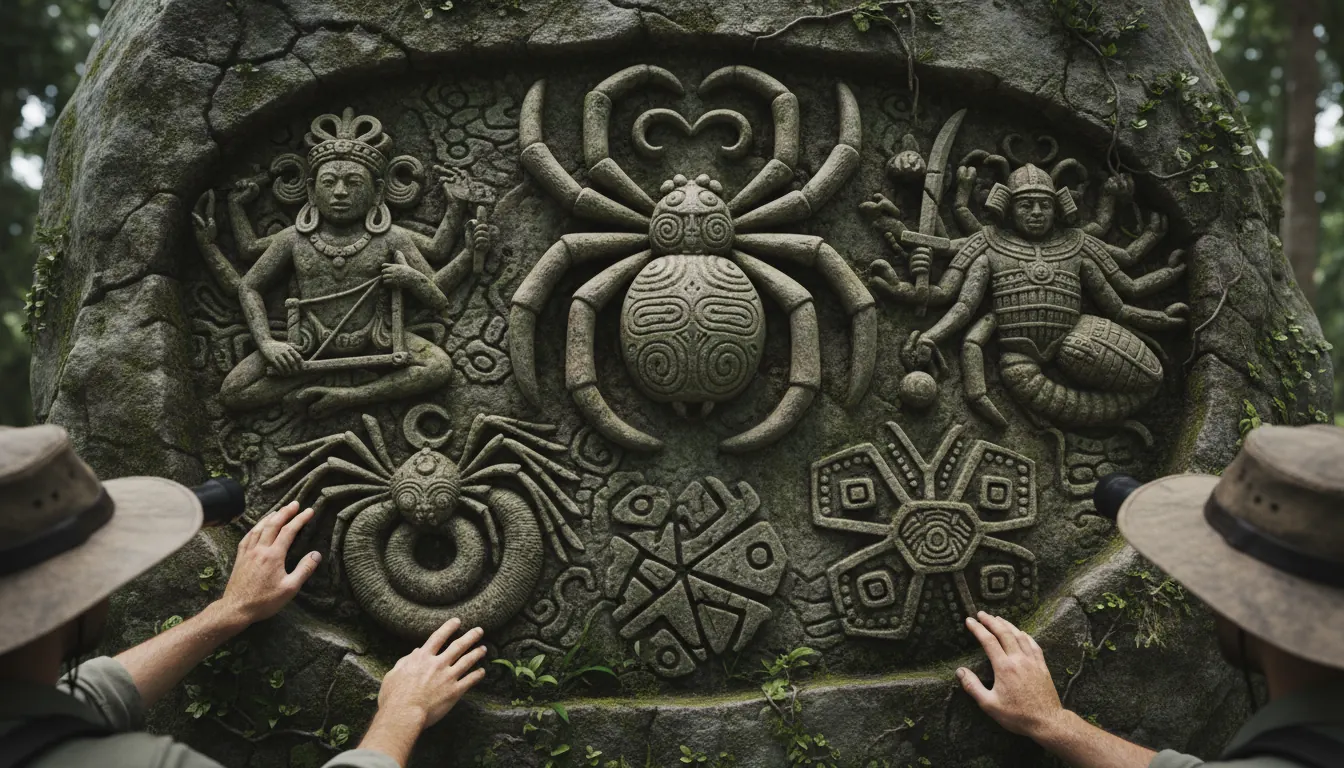
Spider myths come from all over the world and go back hundreds of years. Each society gives these animals different meanings. In African myth, Anansi is the trickster spider god who told people stories. Native American myths say that Spider Grandmother made the world by weaving threads together. Spiders were depicted in these myths of nature as powerful, intelligent, and important in the cosmos.
Differences in how different cultures understand things
| Culture | Spider Figure | Symbolic Meaning | Key Features |
|---|---|---|---|
| West African | Anansi | Wisdom, storytelling | Trickster, wise, clever, creative |
| Native American | Spider Woman | Creation, weaving | Motherly, cosmic, artistic |
| Greek | Arachne | Hubris, transformation | Skilled, punished, persistent |
| Japanese | Jorōgumo | Seduction, danger | Shapeshifting, predatory |
| Norse | Web of Wyrd | Fate, destiny | Interconnected, inevitable |
Spiders have been linked to witches, death, and evil magic in European customs for a long time. People in the Middle Ages thought that spiders caused plagues and other diseases, which was a reflection of larger fears about nature's deadly power. These bad links were very different from Asian and African views, which praised spiders' cleverness and creativity. Many different spider myths show how different cultures see the same natural event through very different glasses, which are shaped by their own ecosystems and social structures.
From Religious Signs to Modern Figurative Language
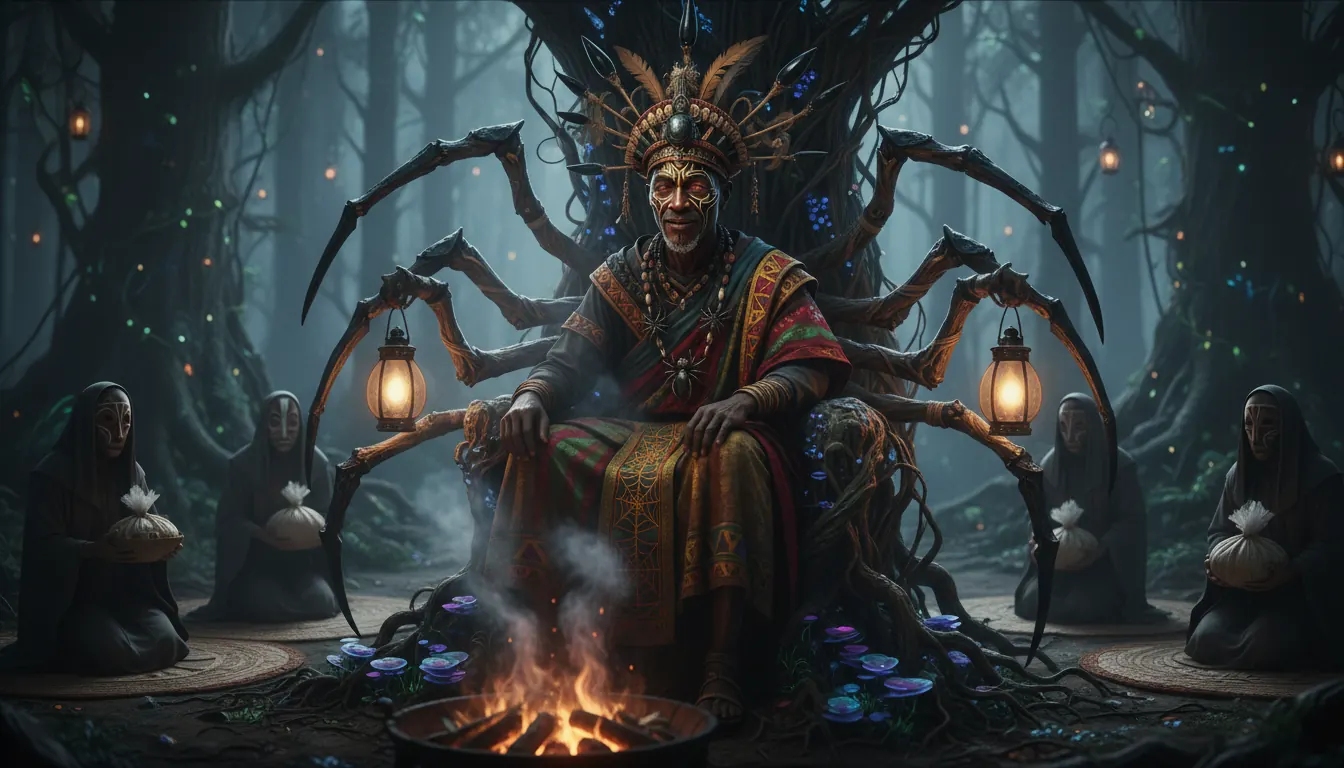
Spiders were used as teaching tools and moral images in religious books and practices. In Islamic legend, a spider kept the Prophet Muhammad safe by weaving a web across the door to a cave. This positive view is different from how European Christians saw spiders as symbols of sin. As societies became less religious, spider imagery moved from church to business settings. It kept its psychological power while being used for different things in entertainment and marketing.
"Spiders have a special place in human mythology because they can both make and destroy things by spinning delicate webs and delivering poison. They are great symbols for complicated human ideas like fate, imagination, and danger because they are two-sided." —Maria Valdez, Ph.D., Cultural Anthropologist
Nature Myths vs. Reality: Why People Don't Always Get It Right About Spiders
There is still a big difference between spider myths and scientific facts. According to most spider myths about nature, spiders are not as dangerous as they are made out to be. There are about 50,000 kinds of spiders, but only a few dozen are really dangerous to people's health. But culture stories always show all spiders as dangerous, which spreads false ideas that affect how people think and what the government does.
Misconceptions People Have About Scorpions
A lot of people think that spiders are mean killers that intentionally seek out humans. Spiked animals only bite when they feel attacked or trapped, so the bites are actually protective actions. The famous "deadly spider in the bananas" story gets passed around a lot, even though it's not likely to happen. Media hyperbole makes small events seem bigger, which spreads fear that overshadows spiders' useful job of getting rid of pests. This mistake shows a larger trend in how people think about nature: exciting stories take precedence over boring facts.
Scientific Facts That Go Against What Most People Think
- About 1% of spider species have poison strong enough to hurt people seriously.
- Spiders eat more bugs every year than birds and bats put together, which is very important to the environment.
- Most of the "spider bites" that are reported to hospitals are actually bacterial illnesses or bites from other bugs.
- Spiders can't see very well, so people are usually just big things they need to avoid.
- The black widow's reputation for danger is much higher than its real threat. With modern medicine, deaths are very rare.
- Even though they look scary, tarantulas only have weak poison, about the same strength as a bee sting.
- Spiders that get stuck in bathtubs didn't climb up from the drains; they just fell in and can't get out.
How Spider Fear Works in the Mind
Five to ten percent of people around the world are afraid of spiders, making it one of the most popular specific fears. Researchers aren't sure if this fear comes from within or from culture. Studies have shown that children as young as six months pay more attention to pictures of spiders, which suggests that they are more likely to have been ready for evolution. But the societal setting has a big effect on whether this interest turns into pathological fear. Societies with more positive spider myths have lower rates of phobia, which shows that myths about nature actively change how people feel about real animals.
From symbols from ancient times to symbols used in casino slots
The change from mythological meaning to business images is an interesting example of how culture changes over time. As the entertainment industry learned more about how spiders affect people visually and mentally, they went from being holy images to being used in advertising. As mass media grew and consumer society thrived in the 20th century, this marketing really got going.
How Spider Images Have Changed Over Time in Entertainment
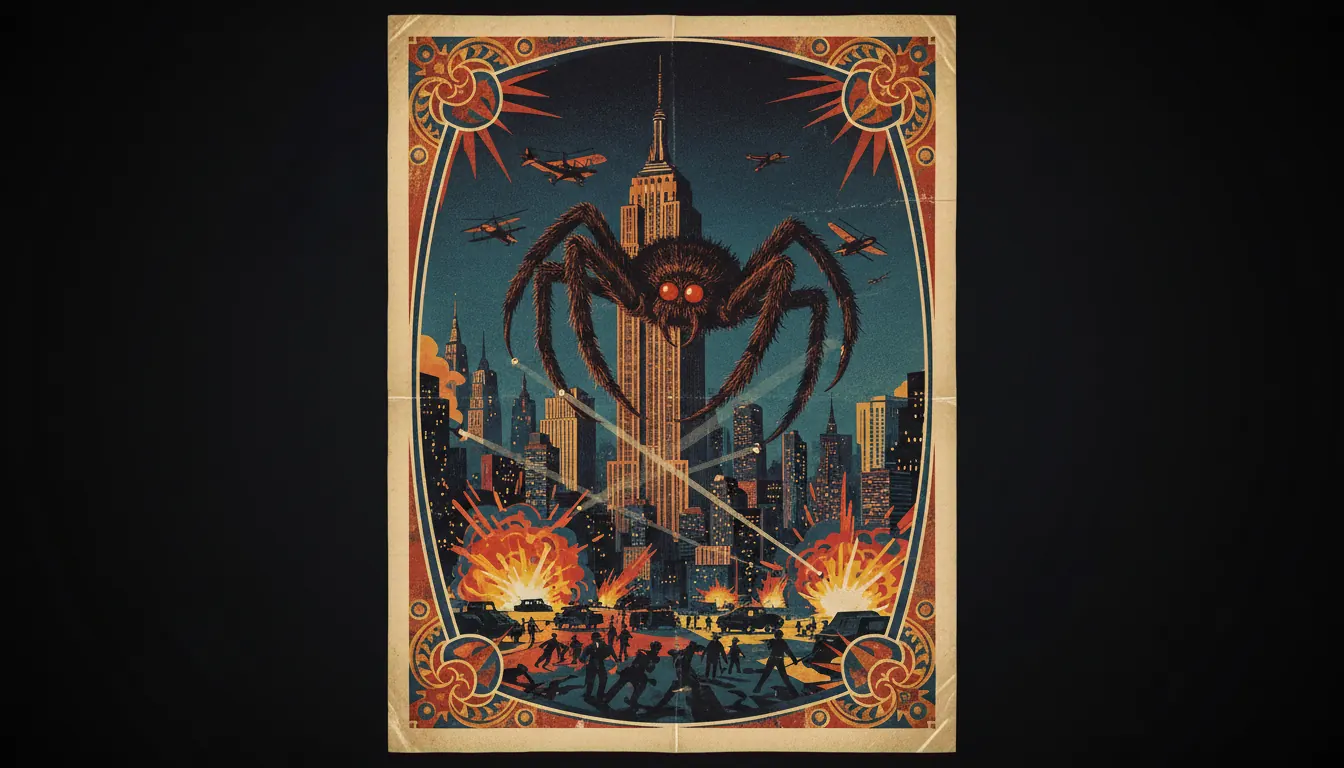
Giant spiders were used as movie monsters in the early days, playing on people's fears and making them stronger with special effects. Spider-themed heroes and foes were added to comic books, which changed the meaning for new generations. Spiders were used as enemies and area designs in video games, and their creepy looks were used to create mood. Each medium changed spider images to fit its own needs, but they all kept the core ideas of danger, cunning, and the strange.
Spider Symbols in Games and Bets
- Black widow symbols often show danger and attraction and are used in high-stakes games and premium slot themes
- Web patterns add visual depth and a sense of link. They are used to make bonus rounds and shows for progressive jackpots.
- When a tarantula is shown, it usually means an adventure in a faraway place, like the bush or an ancient site.
- Using the creature's legend to change things, stylized spider icons are used as wild symbols or boosters.
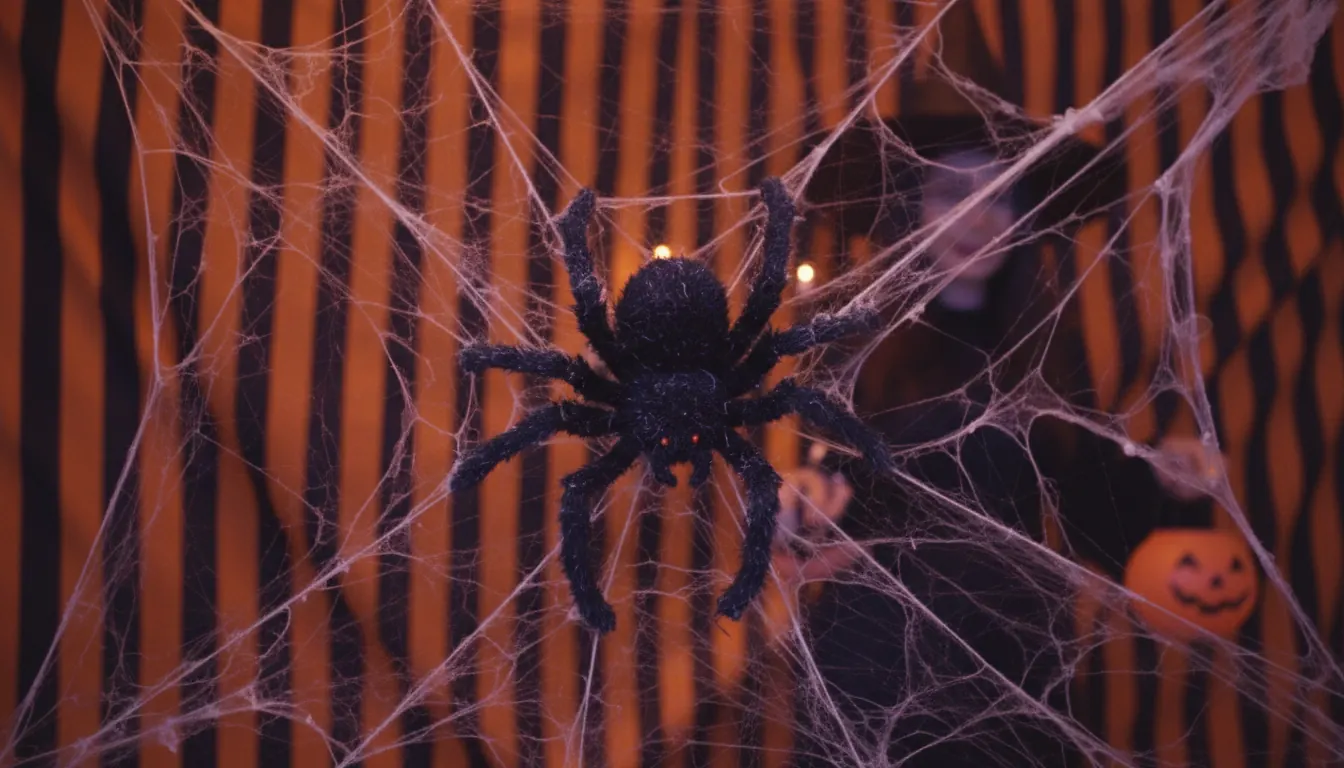
- Gothic spider designs are popular for Halloween and dark fantasy themes because they look scary.
- Cartoon spiders make the threat less scary for more people by showing up in family-friendly games.
- The creepy movements of spider legs and eyes make gameplay scenes more suspenseful.
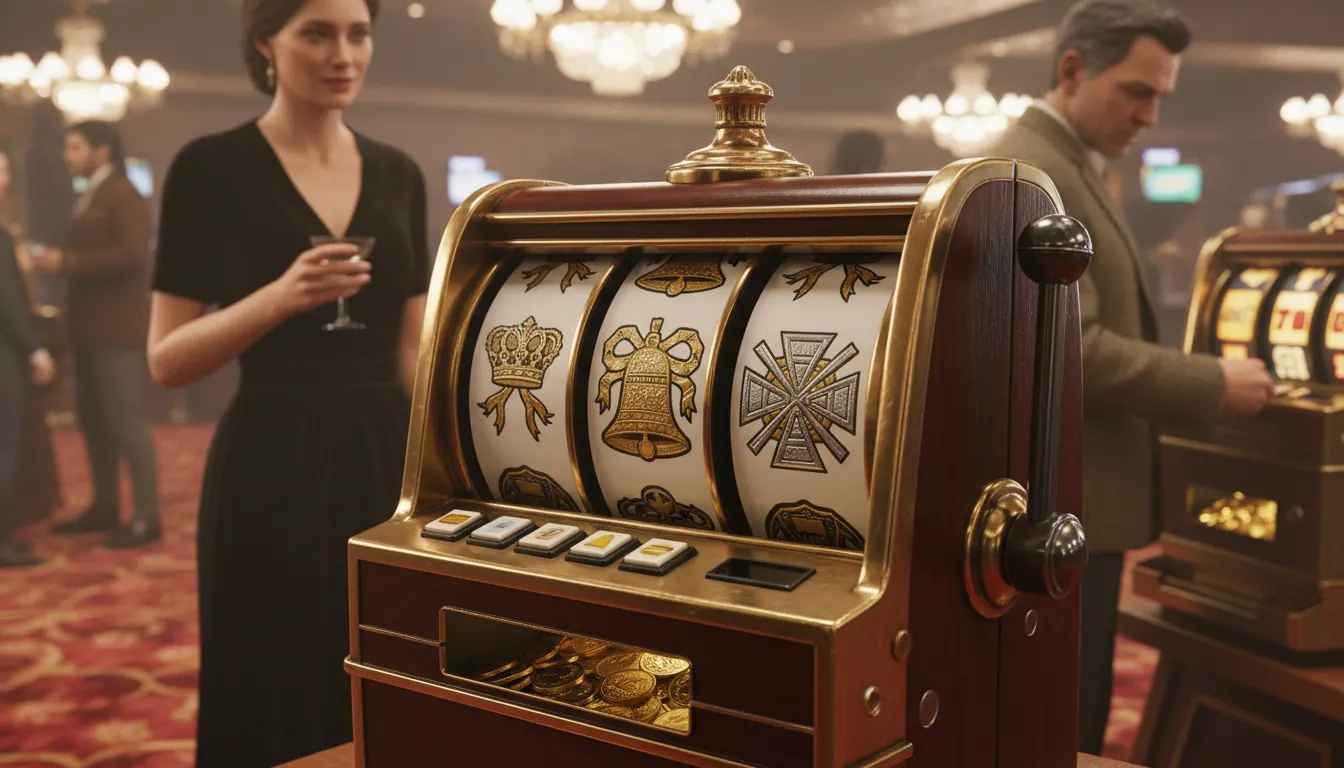
People who work in the gaming business liked spider symbols because they represent taking risks. The web of the spider is a metaphor for chance, and its poison is a metaphor for the pain of losing or the high of winning. Because they can be used as many different metaphors, spiders are perfect for games that need to show change, risk, and possible payoff.
How and why spiders are still used as symbols in casino slots today
Today's casino slot symbols use hundreds of years of cultural meaning to make immediately recognized images. Spider imagery is still used because it triggers many emotions at once, including fear, interest, exoticism, and the supernatural. These emotional reactions make players more interested in games, which makes them more remembered and worth playing again and again.
Why some symbols are chosen over others in slot machine design
Theme-based consistency, speed of recognition, and emotional effect are some of the factors that game designers use to choose symbols. Spiders are great at all three: they are easy to recognize, they evoke strong emotions, and they give writers a lot of ways to tell stories. Because the creatures are linked to webs, there are natural visual links to extra features and progressive systems. Their predatory nature is a metaphor for the house edge. This creates a mental echo that feels real, even when players are aware they are just playing a game.
| Spider Symbol Type | Typical Use | Effects on the Mind | Target Audience |
|---|---|---|---|
| Realistic Widow | High volatility slots | High stakes and danger | Players with experience |
| Stylized Tarantula | Adventure themes | Excitement and exploration | Male, 25–45 |
| Cartoon Spider | Casual games | Playfulness and ease of entry | A lot of people |
| Gothic/Horror Spider | October/themed events | Seasonal nostalgia | Horror fans |
"The spider's long-lasting presence in gaming symbols shows how well businesses can use cultural myths for new purposes. Players see the spider not as a living thing, but as a squished collection of meanings gathered from stories told by people for thousands of years." — James Roderick, Analyst for the Gaming Industry
Market Research and Player Preferences
Casino owners are always checking to see how well symbols work by looking at data from players and study groups. Spider images always do a great job of getting people's attention and satisfying their sense of the theme. Spider images seem "right" for casinos, but players can't explain why. This is an example of how culture can be successfully conditioned. The images work for all age groups, but different groups of people understand them in different ways. Younger players often think of spiders in terms of superhero movies, while older players think of classic horror movies. This shows how the same sign can fit the needs of different generations.
Getting across cultures in global markets
When making games that can be played all over the world, international gaming sites have to take into account how different cultures feel about spiders. Asian markets usually react better to spider symbols, while European markets have more mixed feelings about them depending on their local storytelling practices. North American players are in the middle, affected by both good native associations and fears that come from Europe. Successful global slot designs either focus on spider traits that are common across all regions or make versions that are special to that region and take into account local mythologies. This way, they can reach as many people as possible without offending anyone's culture.
In conclusion
Through an interesting cultural development that covers millennia, venomous spiders have transitioned from nature myths to casino slot symbols. Their continued appearance in pop culture shows that people have strong psychological training and have built up a lot of symbolic meaning. Examining how nature symbols like spiders change depending on the situation while still holding on to their core meanings is necessary to understand what is popular culture. Today's casino slot machine symbols are the latest part of people's long history with these amazing animals. They bring old fears and interests into modern leisure experiences.