
How to Understand Real and Virtual Risk The Most Venomous Spider in the World vs Casino Odds
Fear changes how we think about danger, which means we often get real threats wrong. Even though the world's most venomous spiders are truly terrifying, the risk of being bitten by one of these spiders is still amazingly low statistically. In the meantime, people are happy to take unfavorable casino odds for fun, which shows that impression and chance are not always the same thing. Learning about both biological threats and mathematical risk shows interesting trends in how people make decisions and how they think about danger.
How Venomous Spiders Work Which Is the Most Venomous Spider
When talking about venomous spiders, it's important to tell the difference between how dangerous the venom is and how strong it is. Scientists have found that the venom from the Brazilian wandering spider, whose formal name is Phoneutria, is the most poisonous known to science. This number shows the lethal amount needed to kill 50% of test animals, which are usually mice. But poison strength alone doesn't tell us how dangerous an animal is to people in the real world.
The Sydney funnel-web spider is another spider that could win the honor. This spider is violent and lives in Australia. Its poison is especially harmful to primates, including humans. While the venom of many spider species mostly hurts insects, funnel-web toxins are very good at attacking the nervous system of humans. Before antivenom was made in 1981, thirteen people were killed by funnel-web bites in Australia.
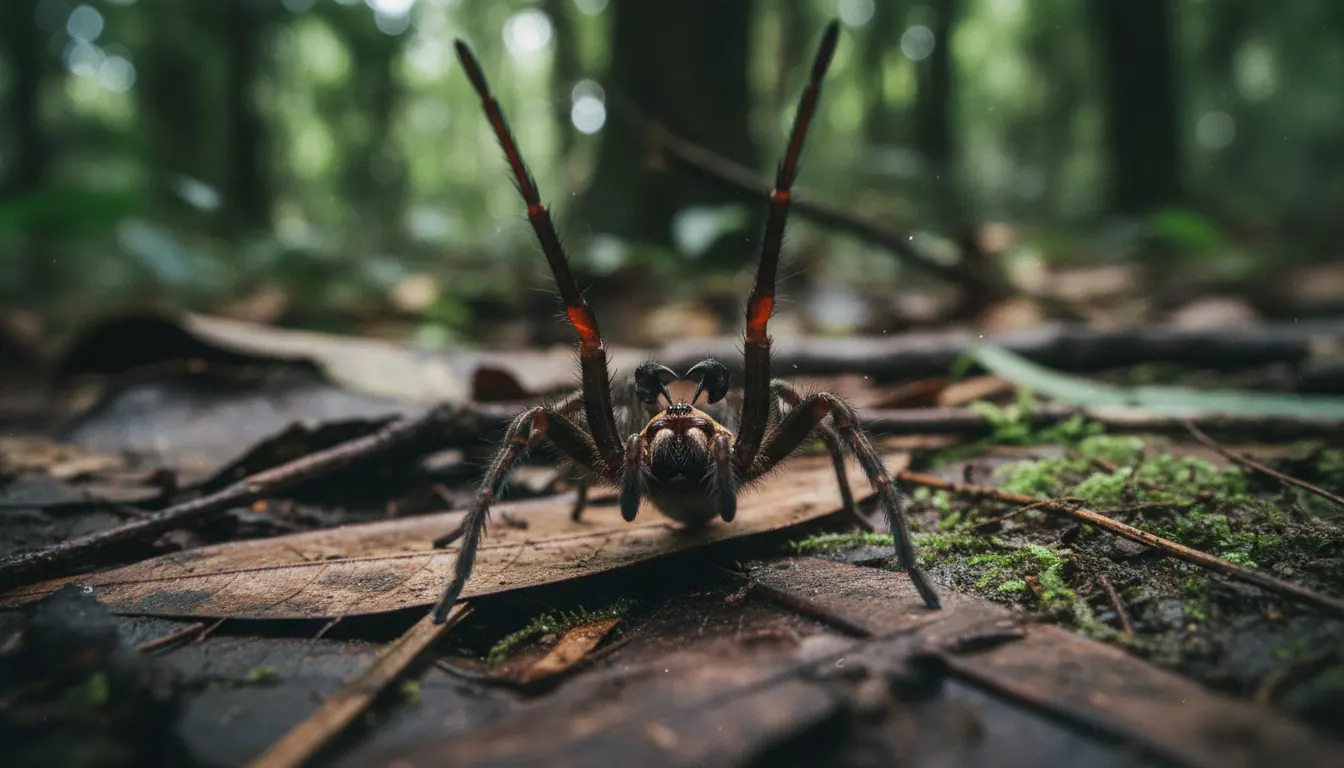
Venom Strength vs Real Risk to People
Researchers use controlled lab settings that don't always work in the real world to figure out how strong venom is. The amount of danger depends on how the spider defends itself, the length of its fangs, how much poison it delivers with each bite, and how often people are usually exposed to spiders. The scary image of the Brazilian wandering spider comes from the fact that it often gets into people's homes and attacks when it feels threatened.
The mouse spider, on the other hand, has very poisonous venom but rarely injects large amounts when it bites to defend itself. This unwillingness to fully envenomate leaves a big hole between how dangerous the venom is in theory and how dangerous it is in real life. Risk assessment is more complicated than just measuring the amount of venom because of things like the victim's health and the time it takes to get medical care.
Where Dangerous Species Live and Breed
In warm and subtropical areas, where variety is at its highest, most venomous spiders live. Australia is home to many species that are useful for medicine, such as redbacks, funnel-webs, and mouse spiders. The Brazilian roving spider and other recluse species live in South America. Black widows and brown recluses are two of the most dangerous spiders in North America, though deaths from them are still very rare thanks to modern medicine.
Where people can see these animals is limited by their climate and environment choices. More and more, urban growth is encroaching on natural spider environments, making contact zones where people and spiders can meet more often. Knowing where the venom is found helps you compare the real risk of exposure to the possible risk from venom strength alone.
The Most Poisonous Spider in the World Facts vs What People Think
The public's idea of how dangerous spiders are often far exceeds what the statistics show by huge amounts. Three to fifteen percent of people around the world have arachnophobia, making it one of the most common specific fears in the world. This unfair fear creates a perception gap where people overestimate the risk of death from spider bites while ignoring the risk from more common causes like driving or bad eating habits.
Through sensationalized news stories and scary movies, the media makes spiders seem even more dangerous. Movies often show spiders as terrifying killers, and the news tends to focus on the few reported spider bites instead of the millions of safe interactions between humans and spiders every day. This availability bias, in which cases that are easy to remember have a bigger effect on risk assessment than others, changes how people think about how dangerous spiders really are.
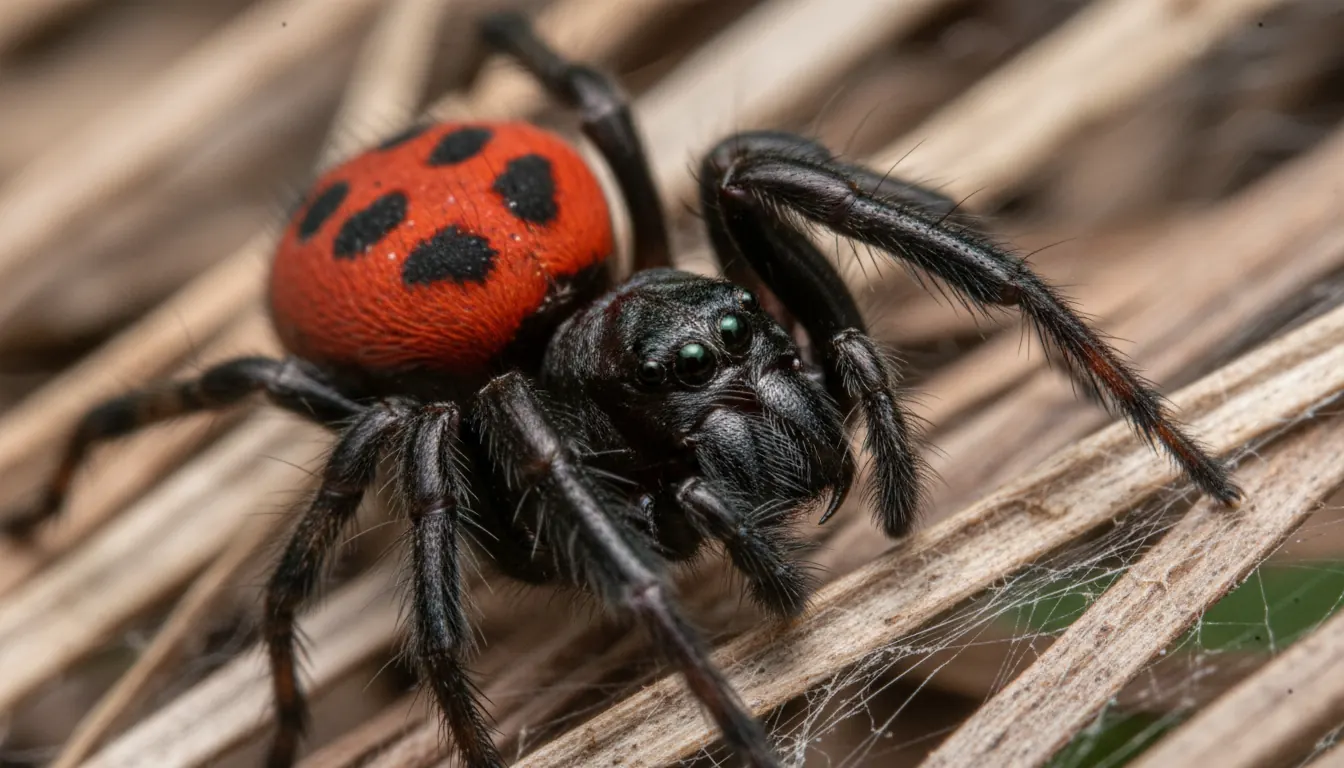
Deaths That Have Been Recorded and Statistical Truth
| Spider Species | Yearly Deaths (Global Estimate) | Bites Needing Medical Attention | Case Fatality Rate |
|---|---|---|---|
| Brazilian Wandering Spider | 0–2 | 4,000+ | <0.5% |
| Sydney Funnel-Web | 0 (since 1981 antivenom) | 30–40 | 0% with treatment |
| Black Widow | 0–1 | 2,500+ | <1% |
| Brown Recluse | 0–1 | Unknown (often wrongly diagnosed) | <1% |
Today, spider bite deaths are much lower because of better medical procedures and easier access to antivenom. In Australia, no one has died from a funnel-web bite since antivenom was first used more than 40 years ago. Even in places where it's hard to get medical care, spider bite deaths are still generally not that important compared to other reasons of death.
The real number of people killed by all spider species each year is probably less than ten. To give you some background, household dogs kill about 25,000 people each year, while bugs spread disease and kill over 700,000 people. This big difference shows how badly our fear reactions match up with statistical danger.
"The fear of spiders is almost entirely cultural and psychological rather than statistical. Your odds of dying from a spider bite in a developed country are essentially zero, yet the fear persists across generations." — Dr. Raven, a spider expert.
How the Media Affects Spider Fear
Headlines like "deadly spiders found in grocery store bananas" get a lot of hits but cause a lot of unnecessary stress. These stories rarely talk about how spiders that have been moved usually don't pose much of a threat because they are stressed, they are in new places, and they are less likely to act defensively. Spiders are used as bad guys in a huge number of movies and TV shows, which makes this effect even stronger.
People's stories about spider encounters get amplified on social media, creating echo chambers where scary stories are the norm. A single spider bite that sends someone to the hospital might get thousands of shares, but millions of minor spider encounters go unnoticed. This selective reporting creates a skewed environment of information that supports preconceived notions about how dangerous spiders are.
Why Odds and Virtual Risk Are More Important Than Fear in a Casino
Casinos are based on mathematical certainty, and each game is set up to make money in the long run. In contrast to the overblown fear that comes with spider encounters, gaming includes exact risks that players choose to accept. The house edge, which is the statistical edge that goes to the casino, changes from game to game but always makes money when sample numbers are big enough. Players who are aware that they are paying for fun rather than hoping to make a profit are drawn to platforms like happy jokers by the clear odds.
To understand gambling numbers, you need to know about expected value and probability theory. Individual wins still happen on a slot machine that is set to return 95% of the time, but the overall result is in favor of the house. This is very different from spider risk, where a person's exposure either leads to an encounter or doesn't, and there is no ongoing chance stream that changes the outcomes.
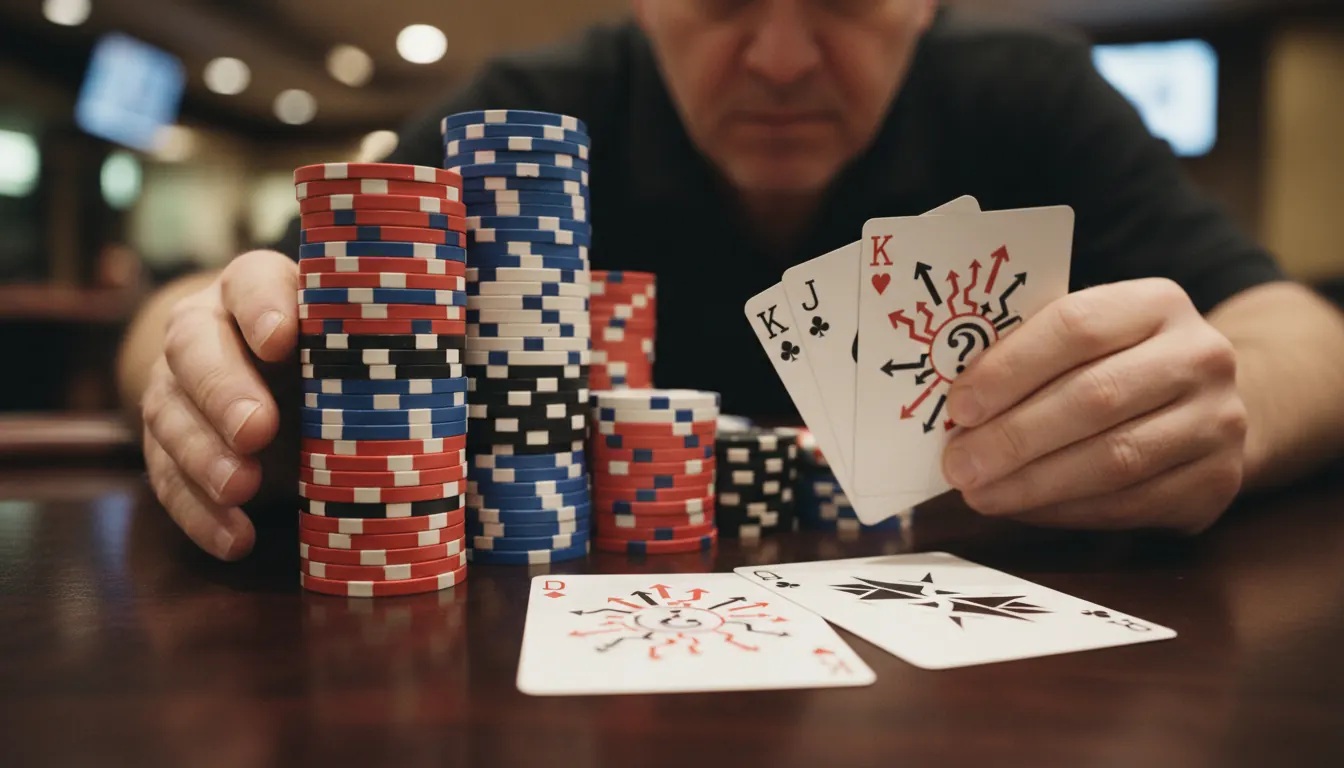
The House Edge in Well-Known Games
The odds for each casino game are different, and the amount of openness depends on how hard the game is and how the casino runs its business. When you play blackjack with the best technique, the house edge is sometimes less than 1%. Slot machines, on the other hand, have house edges of 2% to 15% or more. Table games usually have better chances than slot machines, but short-term play can have very different results for each player.
Roulette is a great example of a risk that can be calculated. With thirty-seven numbers and one zero, European roulette gives you a real chance of 36 to 1 against any single number. There is a 2.7% house edge, which means that the casino pays 35 to 1 on wins. In American roulette, there is an extra zero, which makes the house edge 5.26 percent. These numeric relationships are always the same, no matter what happened in the past or how people bet in the past.
Value That Is Expected and Long-Term Results
Calculating the expected value tells you the average result of each bet over an endless number of times. Long-term loses are guaranteed by a bet with a negative expected value, but winners and losers are created by short-term volatility. Professional bettors look for rare events with positive expected value, like certain poker games or situations where they have an edge, like when they count cards.
- Over millions of spins, casino slot machines usually return 85–98% of the money bet.
- To break even when betting on sports with normal vigorish, you need to win about 52.4% of your bets.
- The expected value of progressive jackpot games goes up as the prizes get bigger compared to the base odds.
- When you play blackjack with perfect basic tactics, the house edge drops to about 0.5%.
- Video poker games can have returns of up to 99.5% if played correctly.
The openness of gambling math is very different from spider risk assessment. Players can figure out exact odds for card games and roulette, but to figure out your own risk of a spider meeting, you need to look at your area, your lifestyle, and the seasons. Casinos benefit from people willingly taking on odds that aren't in their favor, while spider fear comes from overestimating the danger without any solid numbers to back it up.
How People Feel About Taking Risks
People are okay with the odds at the casino because they know it's fun and they can reduce their risk by setting betting limits and session lengths. Even though players know they are at a mathematical disadvantage, the quick feedback process of wins and loses keeps them interested. This willing acceptance of quantified risk shows that people can act intelligently when they can see the probabilities and feel like they have control over the choice.
In contrast, spider fear is caused by not knowing how likely it is that you will meet one and not being able to control your worry. A person might accept a 5% house edge on a gambling game while being overly afraid of a spider that doesn't pose much of a threat. This contradiction shows that how we think about risk is based more on our sense of control, comfort, and feeling than on how likely something is to happen.
"The casino industry thrives because people understand they're trading money for entertainment within calculable parameters. The emotional reward of potential wins justifies accepting unfavorable mathematical odds." — Natasha Dow Schüll, Anthropologist.
The Most Poisonous Spider in the World and How People Think About Risk
People's sense of risk developed in places where real danger had to be assessed and dealt with right away. Spiders, snakes, and other dangerous animals made our ancestors quickly scared, which helped them stay alive. People today receive these threat detection systems, even though they live in places where these kinds of risks have greatly decreased. This difference in evolution is what makes ancient risks feel more risky than things that are statistically riskier today.
Different parts of our minds are used by casinos to make us want to gamble, even though the odds are against us. The random plan of rewards in gambling games is similar to how humans' minds have been shaped by hunting patterns over thousands of years. Dopamine releases from small wins make you want to keep playing, and the sense of control that comes from making strategy decisions keeps you interested even in games of pure chance.

How Fear Has Changed Over Time
The amygdala, which is our brain's old threat sensing center, reacts more strongly to spiders and snakes than to modern threats like cars and processed foods. This brain bias emerged because animals that moved quickly and could be poisonous were real threats to our ancestors. The brain's danger assessment system cares more about speed than accuracy, erring toward false positives that keep people alive at the cost of occasionally going off without a reason.
Threats from the past didn't have the same emotional effect on people as threats from today. Venomous spiders don't seem to scare people as much as climate change, drug tolerance, and sedentary lives do. When it comes to emotions, it's harder for the brain to deal with risks that happen over time and aren't certain, like an angry spider's defensive show.
The Role of Cognitive Biases in Assessing Danger
- The availability heuristic makes people overestimate the risks of things like shark attacks and spider bites that people remember.
- Optimism bias makes players think they can beat the odds even though that's not likely.
- Loss aversion makes the possible effects of a spider bite seem worse than the benefits.
- Control illusion makes people think they can change the results of chance gaming games more than they actually can.
- The anchoring effect changes how people think about risk after their first experiences with spider fear.
- Confirmation bias makes people even more afraid of spiders by making them focus on information that makes them feel threatened.
- Hyperbolic discounting puts short-term fun in gaming ahead of long-term financial effects.
These ways of thinking explain behavior trends that don't make sense. Even if someone knows that flying is generally better than driving, they might still be afraid of it because plane crashes get a lot of attention in the news while regular car accidents don't. For example, someone might be afraid of all spiders even though they know that most species are safe. This is because our emotions don't change based on facts.
Talking About Risks and Educating the Public
To communicate risks clearly, you need to take into account both how people think and feel. Stats about how safe spiders are rarely help people who are afraid of them because fear works through different brain paths than logic. Cognitive behavioral methods and gradual exposure treatment work better because they change automatic responses to fear instead of relying on conscious thinking.
Casino owners have to communicate in two different ways: they need to keep things exciting while also meeting government rules for safe gaming messages. Transparent odds declaration and self-exclusion programs try to help people who have gambling problems while still letting people who just want to have fun bet. Finding the right balance between making money and preventing harm is a constant source of social strain in the gaming business.
Uses of Understanding Risk in Real Life
Understanding the difference between what people think is risk and what is actually risk helps them make better decisions in all areas of their lives. Realizing that spiders aren't nearly as dangerous as people think they are might not cure arachnophobia, but it can help people make smart decisions about how to get rid of pests. For the same reason, knowing casino math helps casual gamblers set reasonable leisure budgets instead of trying to make money by doing things that are guaranteed to have a negative expected value.
More and more, chance and statistical literacy are being taught in schools to help students manage today's high-risk world. It is better to make decisions about health, money, and safety when you know the difference between personal proof and population-level data. These skills can be used to figure out how dangerous spiders are and why casinos keep making money even though some people win.
Conclusion
No matter how you measure it—venom strength or real human impact—the world's most venomous spider doesn't pose much of a threat compared to the things we do every day without thinking twice. On the other hand, gambling odds are clearly unfair mathematically, but millions of people choose to play them for fun. This difference shows how people's ideas about risk often flip the actual order of danger, giving more weight to old genetic fears than to modern data facts that should help people make smart decisions.
Frequently Asked Questions
What is the most venomous spider in the world?
The Brazilian wandering spider (Phoneutria) is considered to have the most potent venom based on LD50 measurements in laboratory settings. However, the Sydney funnel-web spider is often regarded as more dangerous to humans due to its aggressive behavior and venom specifically targeting primates.
How many people die from venomous spider bites each year?
Fewer than ten people worldwide die from spider bites annually. Modern antivenom availability and improved medical protocols have dramatically reduced spider-bite mortality. In developed countries with access to healthcare, spider bite deaths are extremely rare.
Why do people fear spiders more than statistically riskier activities?
Spider fear is rooted in evolutionary psychology. The human amygdala responds more strongly to ancient threats like spiders and snakes than to modern dangers. This threat detection system prioritizes speed over accuracy, creating false positives that keep individuals alert to potential dangers, even when statistical risk is minimal.
What is the house edge in casino games?
The house edge is the statistical advantage favoring the casino in gambling games. It varies by game: blackjack with optimal strategy can have less than 1% house edge, European roulette has 2.7%, American roulette has 5.26%, and slot machines typically range from 2% to 15% or higher.
How do cognitive biases affect risk perception?
Cognitive biases significantly distort risk assessment. The availability heuristic causes overestimation of memorable events like spider bites. Loss aversion makes potential spider bite consequences feel more significant than equivalent gains. Optimism bias leads gamblers to believe they'll beat unfavorable odds despite statistical reality.