
House Spiders in Your Home
One of the most common things that people around the world find is spiders in house corners, basements, and bathrooms. Even though these eight-legged guests often make people scared and uncomfortable, most common house spiders are not dangerous to people. You can live more happily with these natural pest controllers—or get rid of them effectively if you need to—if you know what species live in your area, whether they pose any real danger, and how to deal with their presence.
Common House Spiders and Why Spiders Appear in House
Over thousands of years, house spiders have become very good at living inside. Unlike their cousins that live outside, many species now depend almost entirely on structures made by people to survive. They seek out homes not because they like people, but because houses maintain a steady temperature, keep predators away, and provide plenty of food.
Environmental Factors That Attract Spiders
Spiders follow their food source, which is mostly insects. Homes that have moisture problems, lots of light that attracts bugs, or gaps around doors and windows tend to have more spiders. Storage areas filled with clutter, cardboard boxes, and unused rooms provide excellent habitats for spiders because they can build webs and hunt without being disturbed.
Spiders also enter homes when the seasons change. In the fall, male spiders are constantly searching for mates and often wander into homes. This is why people see significantly more spiders in house environments during late summer and early fall, even in places that don't seem to have many spiders during other months.
Species Commonly Found Indoors
- American house spider (Parasteatoda tepidariorum): Creates messy cobwebs in corners.
- Cellar spiders (family Pholcidae): Long-legged spiders that live in basements and cellars.
- Giant house spiders (Eratigena atrica): Dark-colored, fast-moving spiders.
- Jumping spiders (family Salticidae): Small, active hunters often seen on walls.
- Yellow sac spider (Cheiracanthium inclusum): Creates silk shelters in upper corners.
- Hobo spider (Eratigena agrestis): A ground-dwelling spider common in the Pacific Northwest.
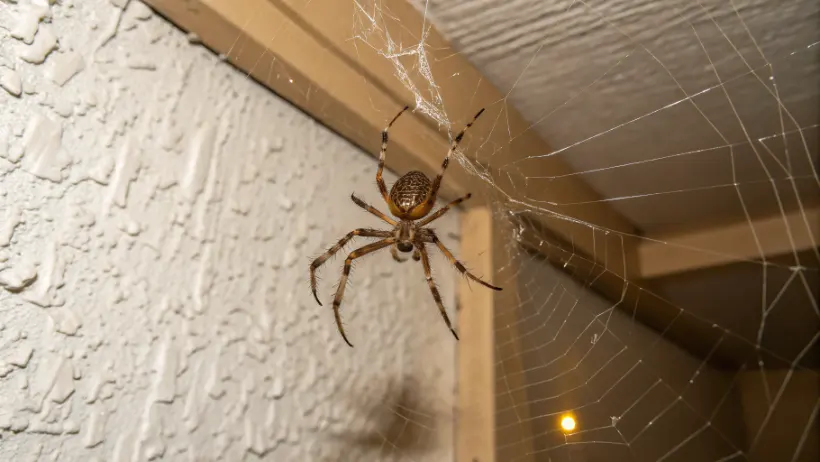
When you look into venomous spiders, you'll find that most house spiders don't belong to this category. The majority of spiders you find indoors are not dangerous and may even be helpful.
Are House Spiders Poisonous
The question of whether house spiders are dangerous or are house spiders poisonous can be answered in several ways. Technically, almost all spiders have venom because they need it to subdue their prey. However, most of them don't have venom strong enough to harm people, or their fangs are too small to effectively penetrate human skin.
The Difference Between Venom and Poison
"Poisonous" and "venomous" are words that are often confused, but they mean different things. Venom is injected, while poison must be ingested or absorbed. Spiders are venomous, not poisonous, because the only way their toxins can enter your body is through a bite.
| Spider Type | Common Location | Venom Potency for Humans | Risk Level |
|---|---|---|---|
| American house spider | Corners, garages | Very low | Minimal |
| Cellar spider | Basements, crawlspaces | Negligible | Low |
| Brown recluse | Closets, storage areas | Medically significant | Moderate |
| Black widow | Garages, woodpiles | Medically significant | Higher |
"The vast majority of spider bites that are thought to be caused by brown recluses happen in places where these spiders don't even live. In medical situations, it's very common for skin problems to be mistaken for spider bites." - Rick Vetter, Spider Expert, UC Riverside
Species That Are Truly Dangerous
In North America, only a few species of spider are truly dangerous to humans. Black widows and brown recluse spiders are the main kinds that require extra caution. Both prefer to stay in dark, quiet places and only bite when they are pressed against skin or directly threatened.
Do House Spiders Bite and How Long Do House Spiders Live
Understanding spider behavior can help you assess how dangerous bites really are. So, do house spiders bite? Technically yes, but people are too large for spiders to consider as prey, so they don't want to bite us. We're simply a threat to them.
Bite Frequency and Causes
People are often afraid of spider bites, but they don't happen very often. Spider bites usually occur when spiders get trapped against the skin, such as when you put on shoes or clothes that have been stored. Spiders have no reason to pursue people, and they would rather flee than fight.
When common house spiders do bite, the effects are usually similar to a mild bee sting: localized pain, some swelling, and redness that subsides within a few hours. Severe reactions from common household species are extremely rare.
Lifespan and Reproduction
When asking "how long do house spiders live," the answer varies by species and sex:
- Most female house spiders live for one to two years.
- Males usually live only for a few months after reaching adulthood.
- Egg sacs can hold anywhere from 100 to 400 eggs, depending on the species.
- Spiderlings disperse soon after hatching.
- Due to the stable conditions indoors, house spiders may live longer than their outdoor relatives.
- Some species can survive for months without food.
Brown House Spiders and Small House Spiders Identification
Accurate identification helps people distinguish between harmless species and those that warrant caution. Brown house spiders and various types of small house spiders are the most common types found inside homes.
Visual Identification Guide
| Feature | Brown House Spider | Small House Spider | Cellar Spider |
|---|---|---|---|
| Body size | 6–10 mm | 3–6 mm | 2–10 mm |
| Leg length | 25–45 mm | 15–25 mm | Up to 50 mm |
| Color | Tan to brown | Various browns and grays | Light yellow-brown |
| Web type | Uneven cobweb | Tangled web | Loose, irregular |
People often confuse brown house spiders with brown recluse spiders, which causes unnecessary stress. The brown recluse is distinguishable by its unique violin-shaped marking on its cephalothorax and prefers quiet storage areas over open spots.
"It is much more helpful to learn how to recognize the two or three species in your area that are actually medically important than to be afraid of all spiders. Most of the time, the identifications people make are wrong anyway." - Catherine Scott, Spider Researcher
Regional Variations
Spider populations vary significantly depending on location. Different species are more common in the south than in the north, and coastal communities differ from those in the interior. Understanding the spiders that live in your area makes identification easier and more accurate.
How to Get Rid of Spiders in the House and Keep Them Out
For people who would rather not have spiders in their homes, there are several effective methods for how to keep spiders out of your house without using dangerous chemicals.
Prevention Methods
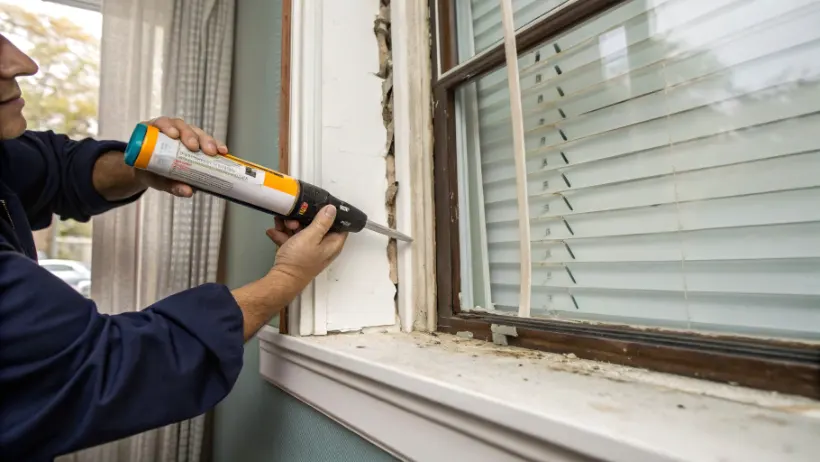
The best long-term strategy for how to get rid of spiders in the house is exclusion. By sealing cracks around windows, doors, and foundation gaps, you can prevent entry. Adding door sweeps and repairing damaged screens provides physical protection against both spiders and the insects they eat.
Eliminating clutter removes spider hiding spots. Regular cleaning removes webs, eggs, and individual spiders, making reinfestation less likely. Moving woodpiles away from exterior walls and trimming vegetation that touches the building reduces outdoor populations near entry points.
Humane Removal Techniques
Humane removal of spiders involves catching them with a glass and paper, then releasing them outside. Commercial spider catchers with extended handles allow you to capture spiders from a distance if you prefer not to get too close. Sticky traps placed along baseboards can monitor populations and provide passive, chemical-free removal.
Chemical treatment should only be used when other methods fail. If spider numbers are high enough to warrant action, targeted application at specific entry points and hiding spots works better than widespread spraying. Many people find that eliminating the insects that attract spiders solves the problem indirectly.
Frequently Asked Questions
- Are house spiders dangerous to humans?
- Most common house spiders are not dangerous to humans. While nearly all spiders have venom to subdue their prey, the vast majority have venom too weak to harm people, or fangs too small to penetrate human skin. Only a few species, such as black widows and brown recluses, pose any significant medical risk.
- Do house spiders bite?
- House spiders can bite, but they rarely do. Bites typically occur only when a spider is trapped against the skin, such as in clothing or shoes. When common house spiders do bite, the effects are usually similar to a mild bee sting with localized pain, swelling, and redness that subsides within a few hours.
- How long do house spiders live?
- Female house spiders typically live for one to two years, while males usually survive only a few months after reaching adulthood. Indoor spiders often live longer than their outdoor counterparts due to stable temperature conditions and consistent food sources. Some species can even survive for months without eating.
- How can I keep spiders out of my house?
- The most effective methods include sealing cracks around windows, doors, and foundation gaps; adding door sweeps; repairing damaged screens; eliminating clutter where spiders can hide; regular cleaning to remove webs and eggs; and moving woodpiles away from exterior walls. Reducing insects that spiders feed on also helps decrease spider populations.
- What is the difference between poisonous and venomous spiders?
- Venom is injected through a bite or sting, while poison must be ingested or absorbed through contact. Spiders are venomous, not poisonous, because their toxins can only enter your body through a bite. This is an important distinction when discussing spider safety and potential risks to humans.