
Online Gaming Decision-Making and Camel Spider Speed Reaction Time
A mythical and exaggerated creature, the camel spider provides intriguing insights into quick reflexes and split-second decision-making. These arachnids exhibit actions that reflect the fast thinking needed in high-stakes situations. They are renowned for their remarkable speed and predatory instincts. On analyzing the traits of camel spiders, such as their size and hunting techniques, we may make comparisons to contemporary online gaming, where success is determined on quick decisions and quick reflexes.
A Camel Spider: What Is It? Size, Speed, and Important Features
Solifuges, the scientific name for camel spiders, are members of their own order of arachnids rather than being real spiders. These animals, which are mostly found in desert regions of the Middle East, North Africa, and the southwestern United States, have evolved special adaptations to help them survive in hostile conditions. Although tradition has produced many vivid tales about their behavior, their preferred environment is the source of their popular name rather than any connection to camels.
Natural Habitat and Physical Anatomy
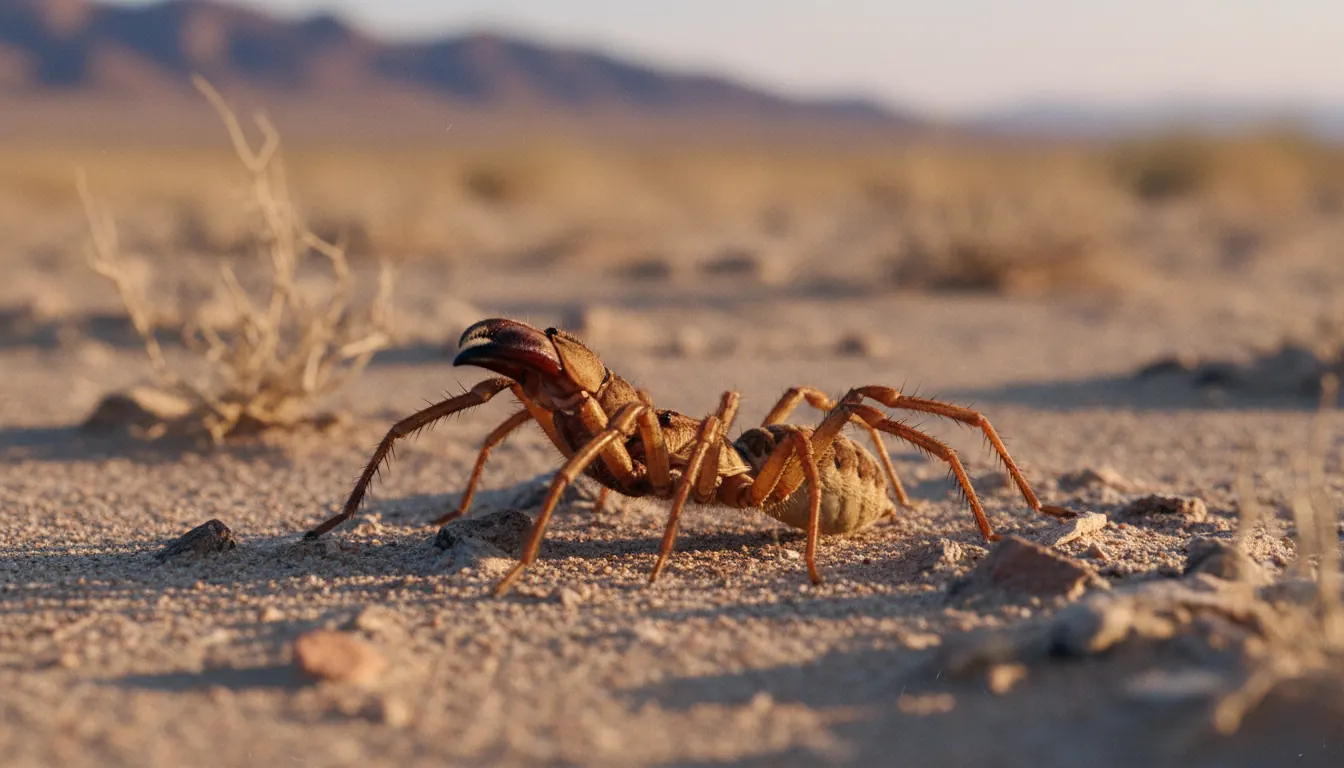
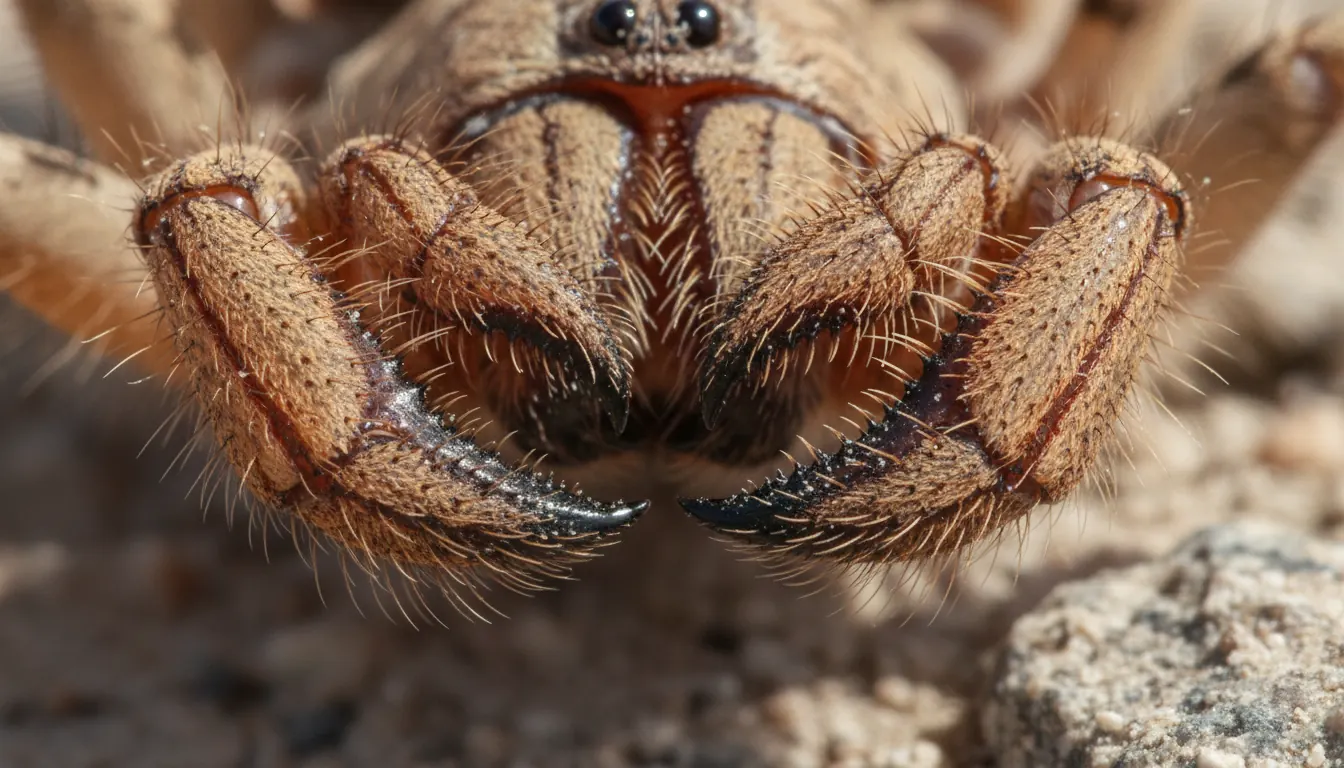
The body length of a fully grown camel spider normally ranges from one to three inches, with bigger individuals having leg spans of up to six inches. Strong chelicerae—jaw-like mouthparts that can make up to one-third of their body length—are among their most distinguishing characteristics. These features are crucial for catching prey and protecting territory, and they give camel spiders their intimidating look.
The largest camel spider specimens known have had leg lengths of about seven inches, although they are still unusual rather than common. These arachnids' tan to brown coloring helps them blend in well with the rocks and sand of the desert. They can sense vibrations and navigate their surroundings in low light thanks to the setae, which are tiny hairs covering their body.
Hunting Practices and Nutritional Trends
As opportunistic predators, camel spiders consume arachnids, insects, small rodents, and lizards. Instead of employing venom or webs, they hunt mostly at night and use speed and ferocity to overcome victims. This direct approach to hunting necessitates exact timing and instantaneous situational assessment—qualities that distinguish hungry predators from successful ones.
Camel Spider Speed and Reaction Time in High-Pressure Environments
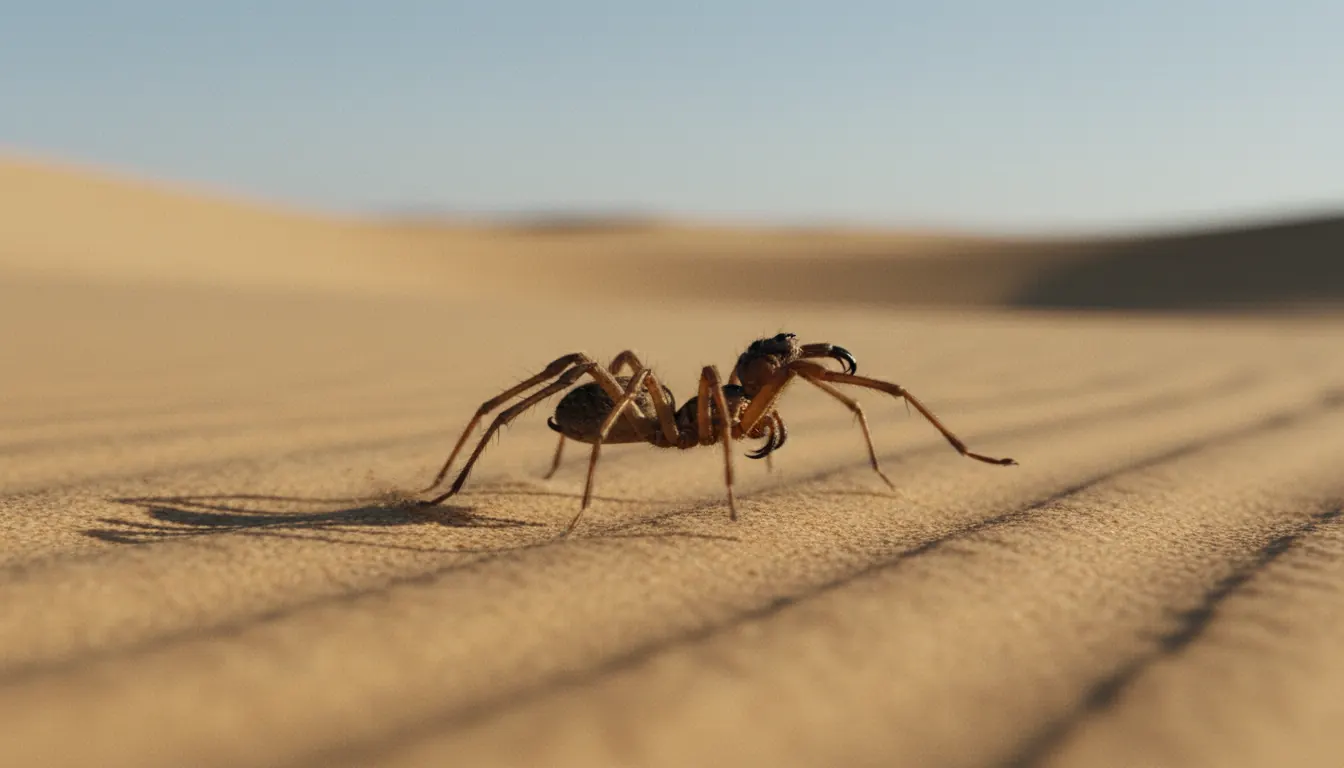
The fabled speed of camel spiders is among their most amazing biological traits. These animals are among the quickest arachnids in relation to body size, with brief bursts of up to 10 miles per hour. In the open desert environment, this speed is crucial for pursuing nimble prey or fleeing from bigger predators.
Assessing Speed in Relation to Environmental Factors
Temperature, topography, and the degree of immediate danger all affect camel spider speed. These arachnids are at their most agile and responsive in the hours after sundown when desert temperatures are at their lowest. They can go across complicated terrain with rocks, foliage, and unforeseen obstacles because of their quick direction changes while keeping momentum.
| Factors Affecting Speed | Ideal Situations | Temperature and Performance Range |
|---|---|---|
| Direct correlation: traction is affected by terrain type | 68-86°F 6-10 mph | Packed rock or sand |
| Acceleration is triggered by variable prey detection | Periods of low light | Energy conservation, burst sprints |
| Time limitations | Three to five-second spurts after feeding | Variable |
Processing of the Nerves During Pursuit
The neural system of the camel spider is remarkably effective at processing touch and visual information. These arachnids have to compute time, trajectory, and distance in milliseconds when chasing prey. The cerebral processing needed in fast-paced gaming contexts, where players must assess several factors at once before acting, is similar to this biological calculation.
According to research, camel spiders rely more on mechanoreception—the ability to detect vibrations through specialized hairs—than on visual acuity alone. Redundancy in their decision-making process is provided by this multisensory approach to environmental awareness, which guarantees that individuals retain situational awareness even in the event that one sensory channel offers insufficient information.
"The camel spider's ability to process environmental data and execute precise movements under pressure demonstrates biological efficiency that engineers and game designers study when creating responsive systems."
Myths about the Biggest vs. Full-Grown Camel Spiders
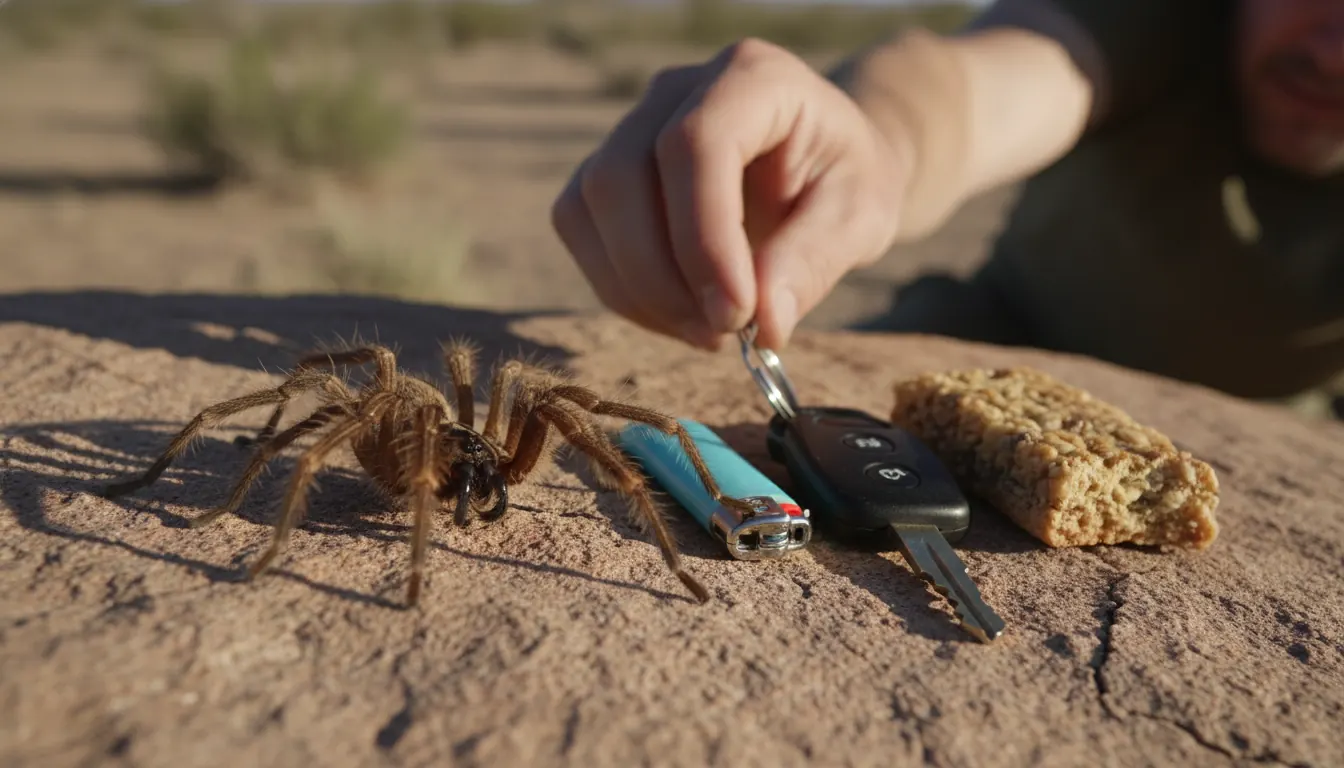
The size and skills of camel spiders have been vastly exaggerated in popular culture and military mythology. Forced perspective is usually used in viral photos of "giant camel spiders" to make these arachnids look considerably larger than they actually are. It is easier to appreciate these animals' true talents without sensationalism when one knows the difference between myth and truth.
Recorded Maximum Dimensions
When fully grown, the largest camel spider species, Galeodes arabs, has a body length of around three inches and leg spans of up to six or maybe seven inches. This is astonishing for an arachnid, but it is nothing compared to the monsters that are portrayed in inflated reports as being the size of dinner plates. The majority of species are still much smaller, with typical specimens ranging from two to four inches across, including the legs.
Common Misconceptions About Behavior
There are still a number of misconceptions regarding camel spider behavior, such as the idea that they can jump several feet vertically or that they actively pursue people. In actuality, camel spiders frequently seem to follow people in search of shade—the human shadow offers momentary respite from the harsh desert heat. They rush quickly for shade, which might be mistaken for hostility when it's only a survival tactic.
- Since camel spiders lack venom glands, their bites cannot injure people or their prey.
- Even though mythology claims that they can run 25–30 mph, they are unable to outrun humans.
- During conflicts, these arachnids don't yell or make noises.
- The overall leg span of camel spiders does not expand to more than seven inches.
- They don't aggressively pursue people or large beasts as prey.
- It is untrue to say that they consume camel stomachs when the animals are asleep.
- Although their chelicerae are strong, they are proportionate to their body size.
Understanding the Real Risk of Camel Spider Bite and Bite Wound
The strong chelicerae of camel spiders may cause excruciating mechanical bites when threatened or inadvertently handled, even though they cannot envenomate their victims. Knowing the true dangers of camel spider bites makes it easier to distinguish between legitimate health issues and inflated anxieties brought on by false information.
Without Venom, Mechanical Damage
Instead of being injected with venom, a camel spider bite wound is caused by crushing and ripping. The chelicerae may break flesh and cause abrasions proportionate to the size of the specimen, much like scissors or pliers. Though seldom anything more serious in healthy adults, larger people might cause wounds that need to be cleaned and bandaged.
Rather than direct toxicity, secondary bacterial infection is the main medical issue associated with any camel spider bite. Numerous bacteria found in desert conditions have the potential to invade wounds if they are not adequately cleansed. These injuries usually respond well to standard first aid, which includes thorough cleaning with soap and water, using antibiotic ointment, and keeping an eye out for infection symptoms.
Levels of Pain and Time Frame for Recovery
- Similar to a wasp sting, but without any systemic effects or escalating inflammation
- The bitten site usually experiences localized swelling and redness that goes away in 24 to 48 hours.
- Potential bruising surrounding bigger wounds as a result of the chelicerae's crushing force
- Small bleeding that ceases rapidly when pressure is applied directly
- No neurotoxic aftereffects or symptoms that extend beyond of the biting site
- Complete recovery of superficial bites without complications in 5-7 days
- It may take ten to fourteen days for deeper cuts to heal completely.
"Camel spider bites, while startling and moderately painful, pose minimal health risk to humans compared to genuinely venomous arachnids like scorpions or widow spiders found in similar habitats."
From Nature to Online Gaming: What Camel Spiders Teach About Making Quick Decisions
Beyond mere metaphor, there is a deeper relationship between strategic thinking in competitive settings and predatory tendencies in nature. The hunting behavior of camel spiders exemplifies concepts that are directly applicable to success in situations with high stakes decisions, such as contemporary online gambling and casino platforms where prompt decisions dictate results.

Lessons from Biology for Strategic Thought
Because they have evolved to make the best choices under time constraint and with limited information, camel spiders are successful predators. When prey emerges, they cannot afford to think things through for a long time—hesitation equates to hunger. Their decision-making architecture has been improved by this evolutionary pressure to strike a compromise between precision and speed, reducing expensive mistakes and increasing successful results.
Similar to this, gamers on sites like corgibet casino must hone their ability to see patterns quickly and evaluate risks. The most effective participants have the ability to assess events quickly, make judgments with assurance, and modify their plans of action in response to shifting circumstances. The fundamental cognitive processes are surprisingly comparable to desert survival, despite the stark differences in the stakes.
Identification of Patterns and Adaptive Reaction
| A Component of Decision-Making | Approach of the Camel Spider | Application for Gaming | Assessment of the Success Factor |
|---|---|---|---|
| Threat | Quick assessment of size and speed | Analysis of opponents | Database of experience |
| Management of Resources | Strategies for conserving energy | Discipline in bankroll management | Long-term viability |
| When Implementation | Attack at the best time | Accurate placing of bets | Calculating probability |
| Tolerance for Risk | Aggression that is planned | Variance in strategy | Anticipated value consciousness |
| Awareness of the Environment | Monitoring with several senses | Dynamics of tables and games | Situational adjustment |
Practice-Based Reaction Speed Training
Gamers enhance their decision-making and reaction speeds by intentional practice, just how camel spiders improve their hunting methods through repeated experience. With regular training and feedback, individuals can acquire quicker processing speeds and more accurate pattern recognition thanks to neuroplasticity, the brain's capacity to create new neural connections.
The best strategy combines performance analysis with concentrated practice sessions. Thinking patterns that can be optimized for future circumstances are revealed when judgments are reviewed in retrospect. This is similar to how predators refine their strategies gradually until their success rates increase after learning from unsuccessful hunts. The idea is the same whether hunting animals through sand in the desert or negotiating competitive game settings: intentional practice combined with candid self-evaluation leads to quantifiable progress.
In Conclusion
Camel spiders are an excellent example of how survival in harsh conditions is determined by quick reflexes, precise danger assessment, and prompt response. Their speed, true size traits, and effective hunting techniques provide important information on making decisions under pressure. Understanding these amazing arachnids beyond sensationalized mythology allows us to see similarities to strategic thinking in competitive situations where making rapid, well-informed decisions separates success from failure in gaming and other contexts.