
What is arachnology How the study of poisonous spiders influences the creation of casino games
The study of spiders and other similar arachnids, or arachnology, has long fascinated scientists and the general public. There is something special about venomous spiders that makes them stand out in both science and common culture. This interest goes to strange places, like the design of casino games and websites for online gaming. Learning about arachnology and how these eight-legged animals affect the design of fun shows an interesting link between nature science and new ideas in digital games.
What does the field of arachnology study Why is it important
When it comes to animals, arachnology is the scientific study of arachnids, which are a group of joint-legged insects that includes spiders, scorpions, mites, ticks, and harvestmen. The word comes from the Greek words "arachne," which means spider, and "logos," which means study. Arachnologists study these animals' bodies, behaviors, habitats, development, and how they have changed over time, focusing on how they fit into different environments.

The field includes a number of important areas of study. Scientists look into the parts of venom and how they might be used in medicine. They also look into web design and how silk is made. Finally, they record biodiversity in a variety of environments. A lot of people are interested in venomous spiders because they have complicated chemical weapons that can hurt people. A lot of study is being done on species like the black widow, the funnel-web, and the Brazilian wandering spider because their venom includes chemicals that could help make big steps forward in medicine.
DNA sequencing, high-speed photography, and computer models are some of the new tools used in modern arachnology. These tools have changed the way we think about spider behavior and how they work. Scientists can now look at tiny details of how spiders deliver their poison, keep track of spider populations across countries, and even guess how climate change might change the way spiders live and where they live. This level of scientific realism gives artistic fields, like game design, a base of real-world details they can use.
What Arachnology Means and Why People Are So Interested in Venomous Spiders
How Fear and Interest Work in the Mind
The word "arachnology" refers to more than just science classification. It also refers to people's complicated connection with spiders. Psychologists say that arachnophobia is one of the most common specific fears, affecting between 3 and 15% of people around the world. But along with this fear, there is a deep interest. Venomous spiders are a primal threat that calls for evolutionary reactions. At the same time, their strange looks and dangerous abilities capture our interest.
This duality makes strong emotional connections. People find spiders both disgusting and impressive because they are patient, precise, smart, and very efficient at killing. Different cultures have very different ideas about how to show spiders. In African and Caribbean tradition, Anansi the spider is both a trickster and a wise person. In Native American beliefs, Spider-Woman is often seen as a creator goddess. These stories from mythology show that spiders hold a special place in our minds that goes beyond simple fear.
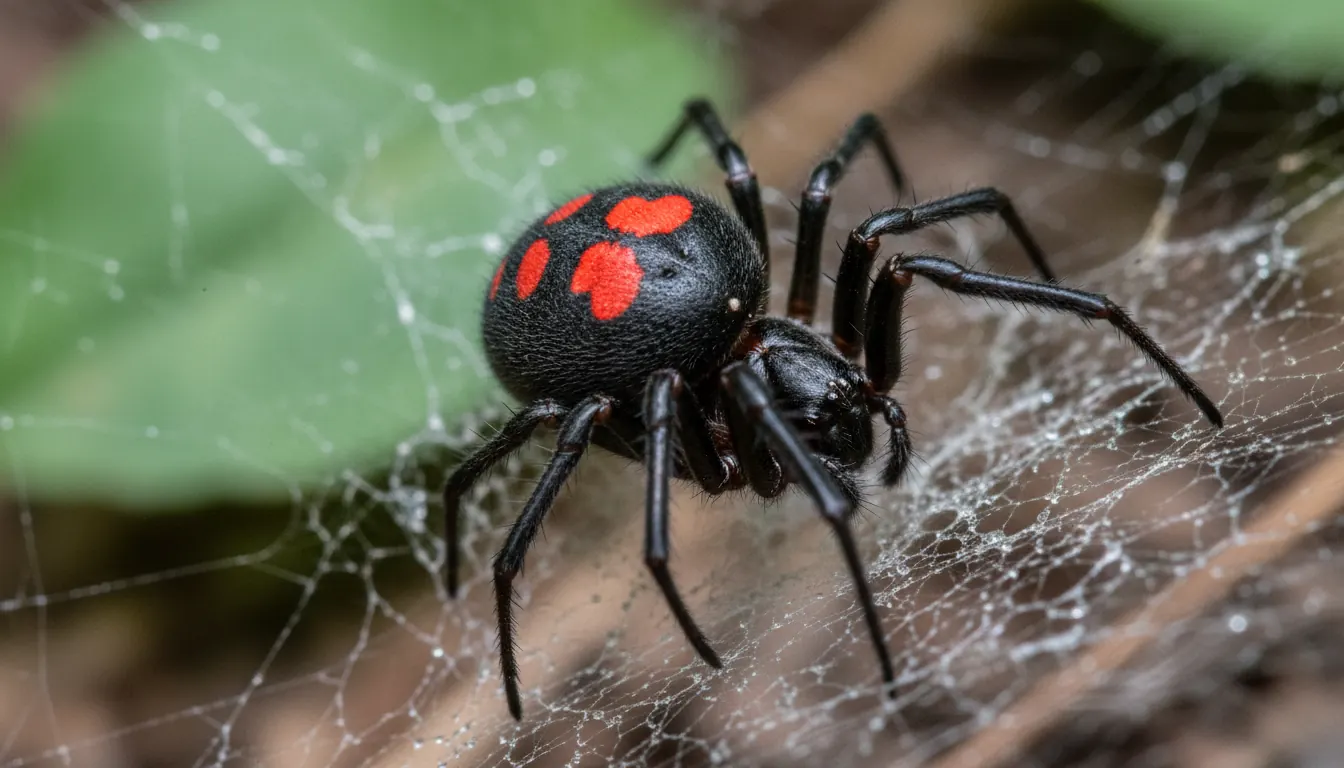
How different cultures have been shown in history
| Region or culture | Spider Symbolism | Traits Linked to | Effects of Today |
|---|---|---|---|
| West African | Anansi (the trickster god) | Trickery, storytelling, and wisdom | Literature, children's tales |
| Greek Mythology | Arachne (the weaver) | Skill, pride, and change | Art, fashion design |
| Native American | Spider Woman | Creation, protection, and craftsmanship | Jewelry, spiritual practices |
| Japanese Culture | Jorogumo (the spider demon) | Seduction, danger, and mystery | Anime and video games |
| Medieval Europe | Symbol of the Devil | Evil, trapping, sin | Horror genre, Gothic aesthetics |
Venomous spiders have been a part of human awareness for thousands of years, as shown in the table above. These cultural connections give game makers a large set of symbols they can use to tell interesting stories. When people play gambling games with spider themes, they're not just seeing random pictures; they're seeing classic images that speak to them on a deep level.
Venomous spiders in the wild and their meanings in casino games
The people who make casino games know that good themes should make players feel something while keeping them interested. These conditions are perfectly met by poisonous spiders. The creatures are naturally exciting because they are unpredictable, dangerous, and have an air of the unknown about them. These traits directly translate into game elements that keep players on edge, which is exactly the mental state that makes gaming fun.

Venomous spiders have a number of biological traits that make them interesting to game designers. Because the black widow has a unique hourglass shape, it is easy to recognize. A Brazilian wandering spider's threatening stance makes you feel scared and excited. Even spider webs' complicated designs show that things are complicated and linked, which are ideas that are similar to the math behind casino games. Nature-inspired themes, like spider webs, have been used successfully by platforms like ringo spin to make interactive experiences that stand out in a crowded market.
Things used in visual design that came from real spiders
When it comes to spider-themed gambling games, the color schemes often look like those in real life. The deep blacks, bright reds, electric blues, and shiny sheens look like the warning colors of real dangerous species. To make realistic motion graphics, animation teams study how real spiders move, including how they position their legs, how they strike quickly, and how they wait patiently. These real-life aspects give the virtual experience more depth and trustworthiness, making it feel more real.
Meanings of Symbols in Game Stories
- Web imagery: Shows extra rounds or networks of progressive jackpots that are linked so that wins can set off a chain of prizes.
- Venom mechanics: in the game, stacked symbols "poison" the reels to make wild multipliers or symbols that cover more space.
- Molting cycles: Lead to features that change common symbols into more expensive ones.
- Hunting behavior: This affects bonus games where players "stalk" gifts through a series of interactive stages.
- Egg sacs: are analogies for secret awards or the release of a group of prizes at once.
- Camouflage designs: Hidden symbols or reveal-based bonus events can be made with camouflage designs.
- Spider silk strength: Stands for sticky wilds or characters that stay in place after multiple spins.
These style choices aren't made at random. They are based on behavior that can be seen in spiders and has been studied in great detail by arachnology. Designers make experiences that feel real instead of just abstract by basing fantastical game features on biological truth.
How spiders affect the themes and mechanics of video games
Arachnological study has an effect on more than just games. It also has an effect on mathematical modeling and human psychology. To figure out the right risk-reward ratios, game theorists look at how predators and prey interact in nature. Based on the size of its prey, a spider decides whether to attack or run away. This is similar to how decisions should be presented in games: with clear risk estimates that players can make on their own.
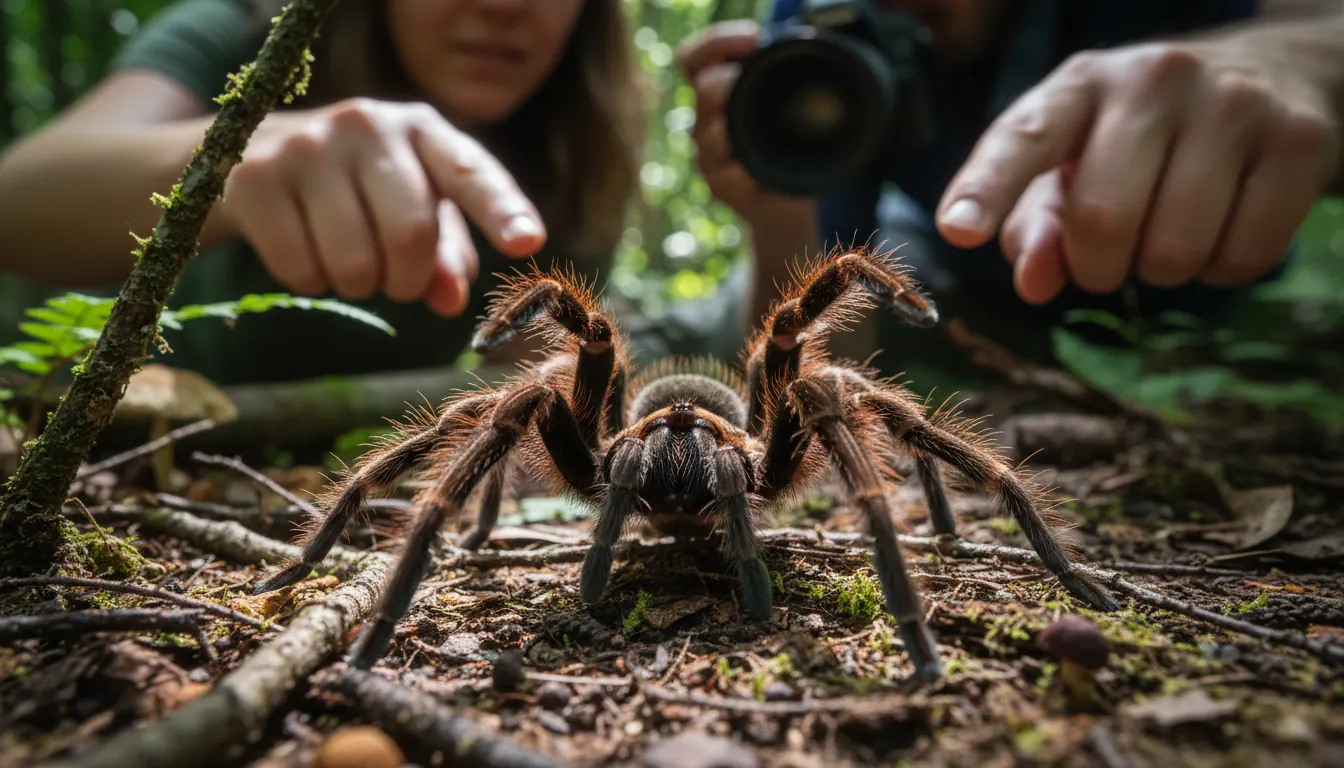
"Nature has spent millions of years perfecting ways to evaluate risk, manage resources, and make long-term decisions. Game designers who study these natural systems learn things that math alone can't give them." - Dr. Sarah Chen, behavioral game design researcher at the Digital Entertainment Institute
Bonus Round Buildings Based on How Spiders Act
Strategies for spider hunting affect how multi-stage extra games play out. Some spiders are ambush hunters that wait in place before exploding. This means that they have "sleeping" parts that suddenly become active. Others are chasing predators who make games with chase features or who collect multipliers. Spiders that build webs set up complex traps, which is similar to how players build reward structures over many spins before a big payment happens.
Scale of Risk and Reward in Themes with Venomous Spiders
- High volatility mechanics: Like facing a dangerous spider with all-or-nothing risks, these games offer rare but big victories.
- Signs of defense: Show safety gear or antivenom, offering insurance features or ways to lower losses.
- Territory rules: are based on how spiders behave in their own territories, where controlling parts of the board gives you strategic benefits.
- Mating dance features: based on complicated courtship customs, making mini-games with exact time needs.
- Venom resistance levels: systems that get less random over time as you keep playing by making you immune to venom.
- Predator-prey reversal: Features that let players "become the spider" and improve their chances of winning.
These features show how deeply arachnology ideas permeate game design thanks to their sophistication. Even if players aren't aware of these biological effects, they still react to the psychological realism they create. The games make sense because they're based on ideas that have been tried by evolution over millions of years.
"When we add real-life behaviors to digital experiences, we use pattern-recognition systems that humans evolved to handle. This keeps people interested in the game in a way that random game rules can't." - Marcus Lindström, lead creator at Apex Gaming Studios
Why themes based on nature work in online casinos from scientific research to fun
When it comes to keeping players, nature-based themes always do better than general or abstract themes. This is especially true for themes with dangerous or unusual animals. According to data from the industry, games with real biology parts keep players more interested than games with made-up symbols. This success is due to a mix of psychological and practical factors that come from both scientific study and the creation of entertainment.

Trust in the game and authenticity
| Part of the theme | Based on Science | Player Perception | Engagement Change |
|---|---|---|---|
| Realistic spider bodies | Reference pictures for arachnology | Credibility in pictures | 23% more time for sessions |
| Correct effects of venom | Research on toxicology | Consistency in theme | 18% greater return rates |
| Backgrounds of natural habitats | Photographing the environment | Immersion in the environment | 31% more bets happening |
| Animations that behave | The study of animals | A real movement | 27% better at recognizing features |
These measures show that investment in scientific accuracy gives measured returns. When visual features match up with what players already know about the natural world, they are unconsciously registered. This sense of familiarity makes people feel safe and trusting, even when they're dealing with stories about dangerous animals. When what you expect and what you see match up, there is less mental pressure, so players can focus on the game instead of wondering if the themes make sense.
The teaching part is also important and shouldn't be overlooked. Through game interfaces that include educational panels or award systems tied to spider species recognition, many players report learning real facts about arachnology. This teaching layer makes casinos more than just places to gamble; it turns them into places where people can learn about other cultures. It's nice for players when they can learn something while they're having fun.
Also, ideas that are based on nature are easy for people of all cultures to understand. Even though the exact meanings may be different, the basic connection between people and dangerous animals is the same everywhere. People in Stockholm, São Paulo, and Singapore all treat a poisonous spider with care. Because of this, games with spider themes can be sold all over the world without needing much localization beyond language translation.
People are becoming more aware of how nature solves difficult problems thanks to the growing interest in biomimicry, which is the use of natural patterns in human technology. When casino games directly talk about this link, they try to come across as classy and not silly. Players feel like they're enjoying well-thought-out fun instead of cynically manipulative systems. This change in how people see things, no matter how small, affects company image and player loyalty in a market that is becoming more competitive.
How science knowledge benefits creative businesses is demonstrated by the intersection of arachnology and casino game design. Venomous spiders are more than just scary pictures; they also show how people behave, have deep spiritual meanings, and are instantly recognizable. Cross-pollination is likely to get stronger as both fields continue to change. This will likely lead to more educational entertainment experiences and gaming systems that take natural science and player intelligence into account.
Frequently Asked Questions
What is arachnology and what does it study?
Arachnology is the scientific study of arachnids, including spiders, scorpions, mites, ticks, and harvestmen. Arachnologists examine the anatomy, behavior, ecology, distribution, and evolution of these creatures, with particular emphasis on venomous species and their role in ecosystems.
Why are venomous spiders used in casino game design?
Venomous spiders possess dramatic qualities like unpredictability, danger, and exotic beauty that trigger emotional responses in players. Their biological features and hunting behaviors provide authentic frameworks for game mechanics, creating engaging experiences that feel substantive rather than abstract.
How does spider behavior influence casino game mechanics?
Spider hunting strategies inform multi-stage bonus rounds, with ambush predators inspiring "sleeping" features that suddenly activate, while pursuit predators create chase mechanics. Web-building behaviors parallel games where players construct reward structures over multiple spins before triggering major payouts.
What makes nature-based themes successful in online casinos?
Nature-based themes outperform generic themes because they tap into universal human recognition patterns and evolutionary responses. Scientific accuracy creates visual credibility and thematic consistency, resulting in longer session times, higher return rates, and increased player engagement.
How does arachnology research benefit game developers?
Arachnology provides authentic details about spider anatomy, venom delivery systems, and predator-prey dynamics that game developers use to create realistic visual elements and balanced risk-reward mechanics. This scientific foundation helps designers build experiences that feel coherent and psychologically authentic to players.